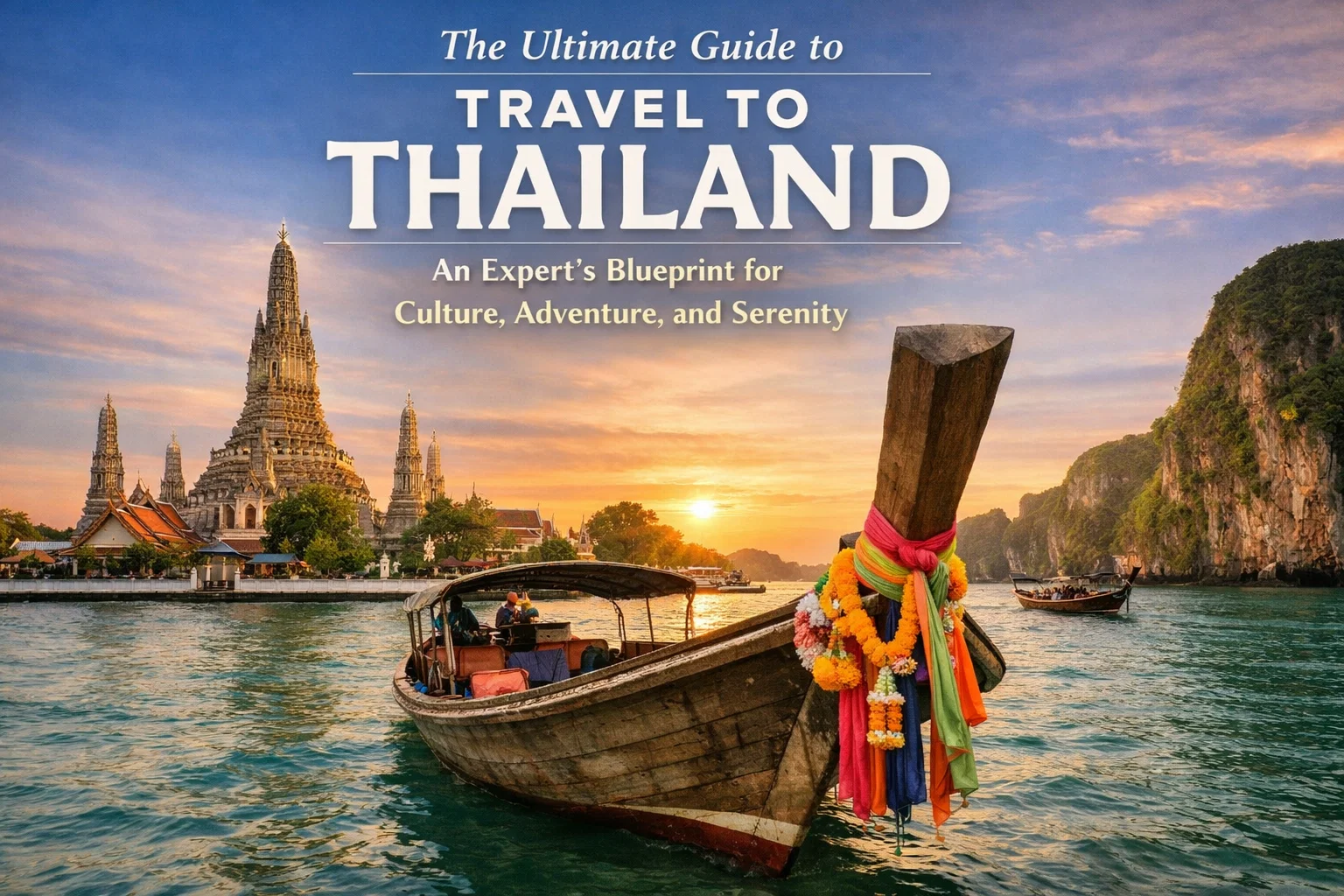
The Ultimate Journey: An Expert’s Guide to Travel to Thailand
Travel to Thailand is a promise of profound contrasts. It is the quiet, gilded dawn at a mountain temple and the electric sunset over a limestone karst. It’s the profound wai of greeting from a stranger and the cacophonous joy of a floating market. More than a destination, Thailand is a sensory and spiritual experience that has captivated global travelers for decades. This guide is not merely an itinerary; it is a deep dive into the soul of the nation, designed to transform your journey from a simple vacation into a meaningful passage. We will move beyond the well-trodden paths to explore the nuances of Thai culture, the evolving best practices for responsible tourism, and the hidden pockets of serenity and adventure that define the modern Thai experience. Our goal is to equip you with the context, confidence, and ethical framework to craft a trip that is as rewarding for you as it is respectful to the local communities and landscapes you will encounter.
The initial allure for many considering travel to Thailand often centers on iconic imagery: the pristine beaches of the south, the bustling metropolis of Bangkok, and the historic temples of the north. While these elements are foundational, they are just the beginning. The dominant intent for travelers today is a blend of deep informational seeking and practical planning. They want to understand not just where to go, but how to travel thoughtfully. They seek authentic interactions, culinary depth, and sustainable options. This guide is structured to first satisfy that core informational and practical intent, providing a clear framework for planning, before unfolding into the rich, experiential layers that make Thailand unique. We will address common pain points—from navigating cultural etiquette to choosing between the country’s diverse regions—with the precision of first-hand experience.
Understanding the Thai Tapestry: Geography and Cultural Foundations
To plan meaningful travel to Thailand, one must first appreciate its geographical and cultural architecture. The country is conventionally divided into five distinct regions: the mountainous north, the arid northeast (Isan), the central plains, the eastern seaboard, and the southern peninsula. Each region possesses a unique character, climate, cuisine, and even dialect. The north, anchored by Chiang Mai, is defined by its Lanna history, cooler climates, and hill tribe communities. The northeast offers a glimpse into a more rustic, agrarian Thailand, heavily influenced by Lao culture. Central Thailand is the economic and historical heartland, home to Bangkok and the ancient capitals of Ayutthaya and Sukhothai. The south is synonymous with tropical paradise, its Andaman and Gulf coasts offering world-class diving and beach relaxation.
Culturally, Thailand is underpinned by three pillars: the Nation, the Monarchy, and Buddhism. The Theravada Buddhism practiced here is not just a religion but a living philosophy that permeates daily life, seen in the omnipresent spirit houses, the daily alms-giving rituals, and the profound respect for monks. Understanding this context transforms a visit from observational to participatory. The concept of “sanuk”—the idea that life’s activities should be fun—is equally vital, explaining the Thai people’s renowned grace and smile even in demanding situations. This blend of spiritual depth and joyful lightness is the true essence of the country.
- Key Takeaway: Thailand is not a monolith but a composite of diverse regions and a deep cultural tapestry woven from history, religion, and a unique philosophy of life, making informed regional choices essential for a tailored trip.
Navigating Your Journey: Essential Planning and Logistics
Successful travel to Thailand hinges on smart logistical planning that respects local norms and seasonal rhythms. The climate is broadly tropical, with three seasons: hot (March-June), rainy (July-October), and cool (November-February). The ideal window for general travel to Thailand is during the cool season, when rainfall is minimal and temperatures are milder, though this is also peak tourist season. The rainy season, often mischaracterized, brings brief, intense downpours usually in the late afternoon, lush landscapes, fewer crowds, and lower prices—a compelling option for the flexible traveler.
A critical logistical step is understanding visa requirements, which vary by nationality and have evolved toward more digital processes. Most Western passport holders receive a 30-day visa exemption on arrival by air, but longer stays require planning, such as applying for a 60-day tourist visa in advance. Travel insurance is non-negotiable; ensure your policy covers medical evacuation. For getting around, a blend of transport modes is key: the BTS Skytrain and MRT in Bangkok are efficient, domestic flights connect major hubs quickly, while trains offer an iconic and scenic experience. For shorter distances, ride-hailing apps have largely replaced un-metered taxis as the most reliable and transparent option.
- Key Takeaway: Aligning your trip with the right season and meticulously arranging visas, insurance, and local transport modes lays a stress-free foundation for your entire Thai adventure.
The Ethical Traveler’s Compass: Respect, Sustainability, and Current Trends
Modern travel to Thailand carries a responsibility. The era of passive tourism is fading, replaced by a conscious approach that prioritizes sustainability and ethical engagement. This begins with cultural respect. The head is sacred, the feet are considered low, so never touch a person’s head and avoid pointing your feet at people or sacred images. Dress modestly when visiting temples (shoulders and knees covered). The monarchy is revered; always stand for the royal anthem and treat images of the King with utmost respect.
Beyond etiquette, ethical travel means making choices that support communities and protect the environment. This involves a critical evaluation of animal tourism. Avoid any attraction offering direct contact with wild animals like tigers, or elephant camps that offer riding or demeaning shows. Instead, seek out legitimate ethical elephant sanctuaries that are transparent about being true rescue centers where observation is passive and elephant welfare is paramount. Similarly, prioritize locally-owned guesthouses, eat at family-run restaurants, and choose tour operators with clear sustainability policies. A current trend is the growth of “regenerative travel,” where visitors participate in conservation or community projects, leaving a place better than they found it.
- Key Takeaway: Ethical travel to Thailand is defined by deep cultural respect and active choices that support animal welfare, environmental conservation, and local economies, moving beyond observation to positive contribution.
Bangkok: The Divine and Dynamic Metropolis
Many travelers’ travel to Thailand begins in Bangkok, a city that masterfully balances chaos and serenity. Beyond the well-known Grand Palace and Wat Arun lies a city of labyrinthine alleys, hidden cafés, and vibrant community markets. For a definitive Bangkok experience, spend a morning exploring the Amulet Market near Wat Mahathat, where collectors seek protective charms, then take a long-tailed boat through the intricate khlongs (canals) of Thonburi to see a surviving network of stilt houses and waterside life. This contrast between the spiritual and the daily is Bangkok’s heartbeat.
The city’s culinary scene is a universe in itself. Street food remains its soul, but understanding where to go is key. Yaowarat (Chinatown) is a culinary epicenter after dark, with legendary noodle and seafood stalls. For a more curated experience, the Michelin Guide now highlights exceptional street food, bringing recognition to humble chefs. A subtle trend is the rise of “neo-Thai” fine dining, where chefs deconstruct classic dishes using modern techniques, offering a fascinating new perspective on Thai flavors. Navigating this sprawl is easiest by combining river ferries, the BTS, and short walks to experience the city’s layers.
- Key Takeaway: Bangkok’s true essence is found in the interplay between its majestic royal and spiritual sites and its dynamic, grassroots street life, with its food scene acting as the perfect bridge between the two.
The Northern Soul: Chiang Mai, Highlands, and the Lanna Legacy
The north offers a profoundly different pace and perspective for travel to Thailand. Chiang Mai, the former capital of the Lanna Kingdom, is a cultural powerhouse ringed by mountains and ancient walls. Its temple density is staggering, with Wat Phra That Doi Suthep, perched on a mountain overlooking the city, being the most sacred. Yet, the north’s magic extends beyond the city. The surrounding highlands are home to diverse hill tribe communities, including the Karen, Hmong, and Lisu. Visiting these communities demands extreme sensitivity; choose community-based tourism projects that are tribe-led, ensure financial benefits are direct, and treat the visit as a cultural exchange, not a human zoo.
The north is also the epicenter of several immersive experiences. Thai cooking classes here often begin with a market tour to understand ingredients. Meditation and yoga retreats in serene settings like Pai or Chiang Rai are increasingly popular. Furthermore, the region is a hub for ethical elephant encounters. A real-world example is the model followed by leading sanctuaries: they prohibit riding, bathing with elephants is guest-optional and elephant-led, and focus is placed on observing herds roam freely in large, forested enclosures while learning about their individual rescue stories from knowledgeable guides.
- Key Takeaway: The north of Thailand provides a deeper, slower cultural immersion centered on Lanna history, ethical hill tribe engagement, and transformative experiences like cooking and meditation, all set within a stunning mountainous landscape.
Southern Serenity and Adventure: Islands, Beaches, and Marine Life
The image of paradise is often realized in Southern Thailand. The region splits between the Andaman Sea (west coast) and the Gulf of Thailand (east coast), each with distinct personalities. The Andaman side, with destinations like Phuket, Krabi (Railay, Phi Phi), and the Trang Islands, is famous for its dramatic limestone karsts, vibrant marine life, and famous beaches. The Gulf side, home to Koh Samui, Koh Phangan, and Koh Tao, offers slightly gentler seas, iconic full moon parties (on Koh Phangan), and a reputation as a diving mecca, particularly for beginners at Koh Tao.
Choosing your base requires strategy. Large islands like Phuket and Samui offer full infrastructure but can feel busy. Smaller islands offer seclusion but limited amenities. A current best practice is “island-hopping from a hub.” Stay on a larger island or the mainland (like Krabi Town) and take day trips to smaller islands, reducing pressure on fragile island ecosystems. Regardless of choice, marine conservation is paramount. When snorkeling or diving, never touch coral, use reef-safe sunscreen, and be mindful of boat anchors. Supporting businesses involved in coral reef restoration or hawksbill turtle conservation is a powerful way to give back.
- Key Takeaway: Southern Thailand’s coastal bliss requires a strategic choice between the dramatic Andaman coast and the laid-back Gulf islands, with a conscious shift toward sustainable practices like reef-safe tourism and thoughtful island-hopping to minimize environmental impact.
The Culinary Odyssey: From Street Food to Royal Cuisine
To travel to Thailand is to embark on a continuous culinary journey. Thai food’s genius lies in its balance of five fundamental flavors: spicy, sour, salty, sweet, and bitter. This balance is achieved through a “holy trinity” of ingredients: chilies, garlic, and shallots, often pounded into pastes that form the base of curries and stir-fries. Key herbs like lemongrass, galangal, and kaffir lime leaf provide the unmistakable aromatic top notes. A common misconception is that all Thai food is blisteringly hot; heat is often adjustable, and many celebrated dishes, like Massaman Curry or Pad Thai, emphasize harmony over sheer fire.
Engaging with Thai food goes beyond eating. Taking a cooking class is highly recommended, as it decodes the flavors and techniques. When eating street food, look for stalls with high turnover and where you can see the food cooked fresh. Be adventurous with regional specialties: try Khao Soi (a coconut curry noodle soup) in the north, Som Tum (green papaya salad) and Gai Yang (grilled chicken) in Isan, or Khanom Jeen (fermented rice noodles with curry) in the south. Each dish tells a story of geography and culture.
Defining a Core Concept: What is “Thai Street Food Culture”?
Thai street food culture is a decentralized, open-air culinary network where skilled vendors specialize in one or two dishes perfected over a lifetime. It functions as a social and economic hub, offering affordable, fresh, and incredibly diverse meals at all hours. This culture emphasizes freshness, speed, and communal eating, representing the most authentic and accessible window into daily Thai life and regional flavors.
- Key Takeaway: Thai cuisine is a complex language of balanced flavors and fresh ingredients, best learned through hands-on exploration of street food stalls and cooking classes, with each region offering its own essential dialect of dishes.
Beyond the Beaten Path: Hidden Gems and Emerging Destinations
For the repeat traveler or those seeking solitude, Thailand holds countless less-visited treasures. In the north, Nan Province offers stunning temples like Wat Phumin, with its unique cruciform architecture and narrative murals, amid a quiet, valley-setting. Further east, Isan reveals ancient Khmer ruins at Phanom Rung that rival Angkor Wat in scale and artistry, alongside a fiercely proud and distinct culture with arguably the country’s most robust cuisine.
On the southern peninsula, look beyond the major islands. The Andaman coast near Ranong offers rustic hot springs and remote, rainforest-backed beaches. On the Gulf side, the islands of Koh Mak and Koh Kradan are models for low-impact, sustainable tourism. Even near Bangkok, the floating market of Amphawa provides a more authentic, weekend-only experience compared to the tourist-centric Damnoen Saduak. Seeking out these destinations disperses economic benefits and offers a more intimate connection with the country.
- Key Takeaway: Venturing into Thailand’s lesser-visited provinces and islands rewards travelers with profound cultural insights, stunning historical sites, and serene landscapes, while supporting a more balanced and sustainable tourism economy.
Festivals and the Rhythmic Calendar
Timing your travel to Thailand with a major festival can define your experience. These events are visceral expressions of Thai culture and religion. Songkran (Thai New Year in mid-April) is the world’s biggest water fight, but at its heart, it is a family holiday where people cleanse Buddha images and pay respect to elders. Loy Krathong (usually in November) sees rivers and lakes illuminated by thousands of floating lotus-shaped offerings (krathong) to honor the water goddess, a scene of breathtaking beauty. Yi Peng in Chiang Mai, coinciding with Loy Krathong, adds the release of thousands of lanterns into the night sky.
Participating respectfully is key. During Songkran, be playful but avoid dousing monks, motorcyclists, or unwilling participants. For Loy Krathong, seek out biodegradable krathongs made from bread or banana leaves instead of polystyrene. Attending these festivals requires advanced planning, as accommodation fills quickly and prices rise. Their cyclical nature is a reminder of the Thai connection to nature, season, and spiritual gratitude.
- Key Takeaway: Aligning your visit with a major Thai festival like Songkran or Loy Krathong offers an unforgettable, immersive cultural experience, provided you understand and participate in the events with respect for their deep-rooted traditions.
Navigating Practicalities: Money, Connectivity, and Health
A smooth journey depends on managing day-to-day practicalities with local knowledge. The Thai currency is the Baht (THB). While credit cards are accepted in hotels and larger restaurants, cash is king for markets, street food, and local transport. ATMs are ubiquitous, but they charge a significant fee per withdrawal; withdrawing larger amounts less frequently is economical. Notify your bank of your travel plans to avoid card blocks.
Staying connected is easy. Purchasing a local SIM card at the airport or a 7-Eleven store is inexpensive and provides excellent 4G/5G coverage almost everywhere, crucial for navigation and ride-hailing apps. Regarding health, tap water is not safe to drink. Always use bottled or filtered water. Street food is generally safe if it’s cooked fresh and hot in front of you. Packing a basic travel medical kit with stomach-soothing medication, rehydration salts, and quality insect repellent is a prudent step. Major cities have excellent international hospitals, but travel insurance remains essential.
Defining a Core Concept: What is the “Thai Baht” and How is it Used?
The Thai Baht (THB) is the national currency, divided into 100 satang. Banknotes come in denominations from 20 to 1,000 baht. While digital payments are growing in cities, cash is essential for the vast majority of local transactions, including street food, markets, taxis, and small shops. It’s advisable to carry a mix of smaller notes for daily use and to break larger bills at hotels or convenience stores.
- Key Takeaway: Mastering simple practicalities—optimizing cash withdrawals, securing a local SIM for connectivity, and adhering to basic health precautions like drinking bottled water—ensures a comfortable and hassle-free day-to-day experience.
The Art of Mindful Souvenirs and Supporting Artisans
Bringing a piece of Thailand home should be an act of cultural appreciation, not mindless consumption. Avoid cheap, mass-produced trinkets from generic markets. Instead, seek out items that represent traditional craftsmanship. Northern Thailand is known for its hand-woven cotton and silk textiles, from the intricate patterns of the Sakai Project to the elegant Mudmee silk of Isan. Celadon pottery from Chiang Mai, with its distinctive jade-green glaze, makes a beautiful heirloom.
**Bangkok’s *Chatuchak Weekend Market* has sections dedicated to independent designers and artisans. For higher-end crafts, the Queen Sirikit Museum of Textiles in Bangkok or the ThaiCraft Fair association can guide you to ethical sources. When purchasing, understand that fair prices support the survival of these arts. As a respected Bangkok-based cultural historian once noted, “The most meaningful souvenir is not an object, but the understanding of the hands that made it and the tradition it carries.” This mindset transforms shopping into a connective, respectful practice.
- Key Takeaway: Conscious souvenir hunting focuses on supporting traditional Thai artisans by purchasing high-quality, handmade crafts like textiles, pottery, and silverwork, which carry cultural stories and help preserve endangered crafts.
Thailand’s Regional Comparison at a Glance
| Region | Primary Atmosphere & Appeal | Iconic Experiences | Best For |
|---|---|---|---|
| Bangkok & Central | Dynamic, historical, urban intensity | Grand Palace, canal tours, street food feasts, night markets. | Culture enthusiasts, urban explorers, foodies seeking variety. |
| The North | Serene, cultural, mountainous | Temple visits, ethical elephant sanctuaries, hill tribe culture, cooking classes. | Nature lovers, spiritual seekers, those wanting cultural immersion. |
| The South (Andaman) | Dramatic, adventurous, vibrant marine life | Island hopping, rock climbing, diving/snorkeling, luxury resorts. | Beach-goers, adventure sports enthusiasts, divers, photographers. |
| The South (Gulf) | Laid-back, festive, diving-focused | Full Moon Party, beginner diving courses, beach relaxation, waterfall hikes. | Budget travelers, party-seekers, diving novices, families. |
| Isan (Northeast) | Rustic, authentic, archaeological | Khmer temple ruins, Isan culinary discovery, rural homestays. | Intrepid travelers, history buffs, food adventurers off the tourist trail. |
Pre-Departure Checklist: Your Action Plan for Travel to Thailand
Before you embark, use this concise checklist to ensure you are fully prepared:
- Documents: Valid passport (6+ months), appropriate visa or proof of exemption, printed insurance documents, digital copies of everything.
- Health: Pack a basic medical kit, reef-safe sunscreen, insect repellent, and any personal prescriptions.
- Finances: Notify your bank, carry a mix of payment cards, and plan your first ATM withdrawal.
- Packing: Light, breathable clothing, a scarf/wrap for temple visits, sturdy sandals, waterproof bag, universal adapter.
- Connectivity: Research and note your accommodation’s addresses in Thai for taxi drivers, download offline maps and translation apps.
- Mindset: Bookmark key ethical guidelines (elephant, temple dress code), learn basic Thai phrases (hello, thank you, sorry), and set intentions for sustainable travel.
Conclusion: Crafting Your Personal Thai Narrative
Ultimately, thoughtful travel to Thailand is an exercise in mindful exploration. It is a country that rewards curiosity, humility, and an open heart. By moving past the checkbox of major sights to engage with local rhythms, by choosing experiences that empower communities and protect nature, and by delving into the profound cultural and culinary depths on offer, you do more than take a vacation. You participate in a story—one of resilience, beauty, and gracious hospitality that has defined this land for centuries.
Your journey will be a unique narrative woven from the scents of night-blooming jasmine and sizzling woks, the sounds of temple bells and long-tailed boat engines, and the profound sense of peace found in a forest monastery or on a secluded beach. Let this guide be your foundation, but let your own instincts and interactions be your compass. Thailand is waiting not just to be seen, but to be understood and felt. Start planning not just a trip, but a transformation.
Frequently Asked Questions (FAQ)
What is the best time of year to travel to Thailand?
The most pleasant overall weather for travel to Thailand is during the cool, dry season from November to early April. However, the rainy season (July-October) offers lush scenery, fewer crowds, and lower prices, and rains are often short bursts, making it a great option for flexible travelers.
Is Thailand safe for solo and family travelers?
Thailand is generally very safe for all types of travelers, with a well-established tourism infrastructure. Common-sense precautions against petty theft are advised. For families, amenities are widely available, and Thais are famously fond of children. Solo travelers, especially women, will find it welcoming, though standard global safety awareness applies.
How should I budget for two weeks of travel to Thailand?
Thailand can cater to any budget. A frugal traveler could manage on $35-50/day, a mid-range traveler on $75-150/day for comfortable hotels, local travel, and good meals, while a luxury traveler can spend $300+/day. Costs are higher on major islands and in Bangkok, lower in the north and countryside.
What are the must-try dishes for a first-time visitor?
Start with the classics: Pad Thai, Green Curry (Gaeng Keow Wan), Tom Yum Goong (spicy shrimp soup), Som Tum (papaya salad), and Mango Sticky Rice. Be sure to explore regional specialties like Khao Soi in the north and Massaman Curry in the south.
Can I use credit cards, or is cash necessary for travel to Thailand?
While credit cards are accepted in hotels, malls, and upscale restaurants, cash is essential for the majority of local experiences—street food, markets, taxis, and small shops. Always carry sufficient Thai Baht for your daily needs.