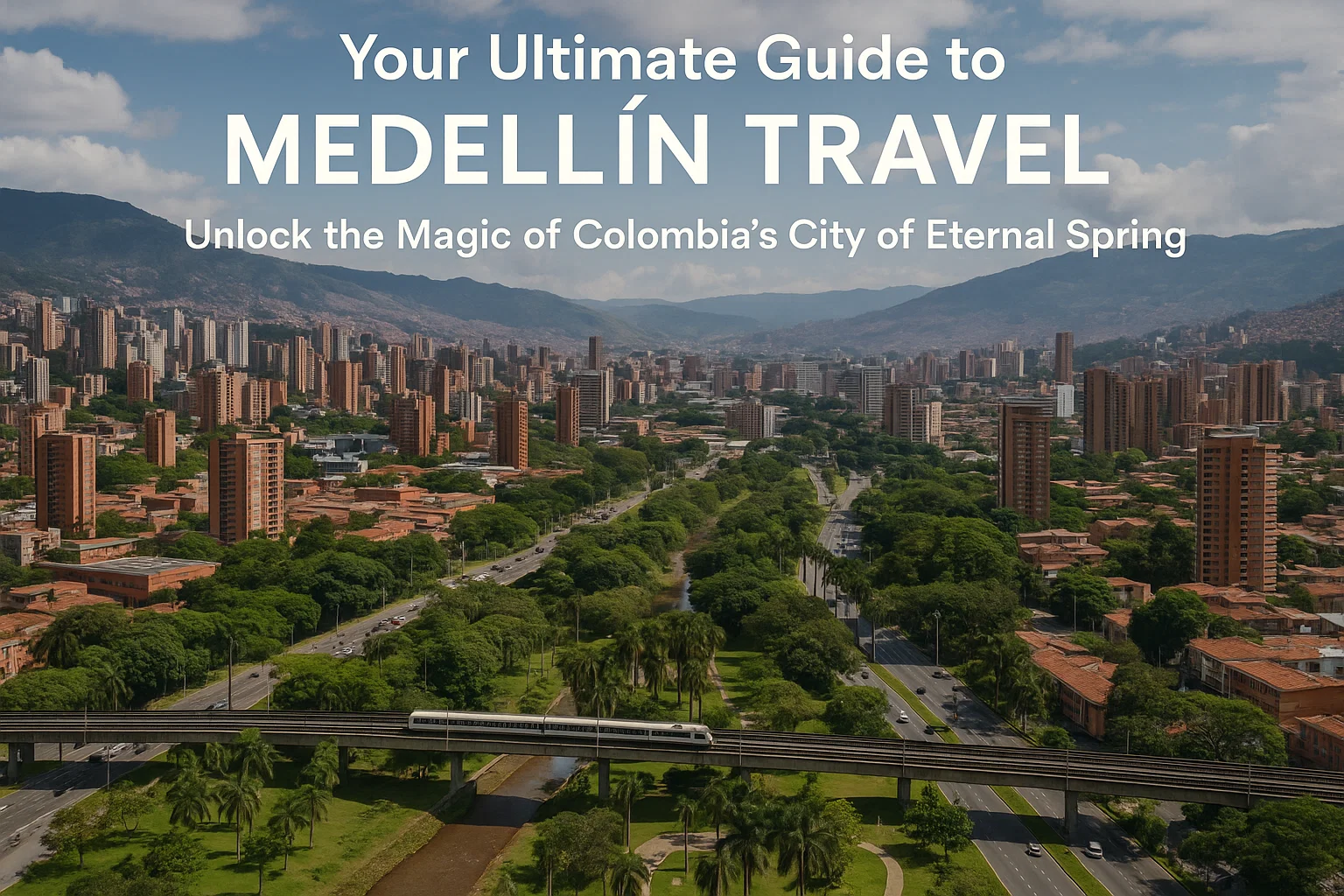
Medellín Travel: Your Definitive Guide to Colombia’s Reborn City of Eternal Spring
Nestled in a verdant valley of the Aburrá Andes, Medellín’s very name once conjured a singular, infamous image. Today, the narrative has been radically rewritten. A journey to Medellín is now a pilgrimage to one of the world’s most inspiring urban transformations, a voyage into a culture defined by warmth (calidez paisa), and an immersion into a city that pulses with innovation, art, and life. More than just a destination, Medellín travel offers a masterclass in resilience. It’s a place where spring-like weather is eternal, where cable cars soar over bustling neighborhoods as public transit, and where the infectious energy of its people invites you not just to visit, but to connect and understand. This guide is your comprehensive key to unlocking that experience, moving beyond the postcard to reveal the soul of a city that will captivate your heart and redefine your expectations.
The Medellín Metamorphosis
To truly appreciate a Medellín travel experience, one must understand the profound journey the city itself has undertaken. From a period of intense conflict and notoriety, Medellín engineered a breathtaking renaissance, focused on social urbanism, education, and inclusion. This transformative spirit is palpable in its very infrastructure—the iconic Metrocable gondolas that connect hillside communities to the city center aren’t just tourist attractions; they are lifelines of opportunity and symbols of a city intentionally bridging its divides. This context isn’t a dark footnote; it’s the essential backdrop that makes the city’s contemporary vibrancy, safety, and creative explosion so remarkable and meaningful.
Visitors often arrive with outdated apprehensions only to be disarmed by the reality: a dynamic, modern metropolis that is consistently ranked as one of Latin America’s most innovative. The legacy of transformation fuels a palpable pride and forward-thinking attitude among paisas (the people of Antioquia). Your exploration here is intrinsically tied to this story of rebirth. You’ll witness it in the stunning library-parks in former conflict zones, in the vibrant street art that narrates community stories, and in the entrepreneurial spirit of its youth. Engaging with this history respectfully deepens the travel experience, transforming sightseeing into a richer, more empathetic understanding of human potential.
Mastering the Eternal Spring Climate
The climate is arguably Medellín’s most perfect and consistent asset, earning it the nickname “Ciudad de la Eterna Primavera” (City of Eternal Spring). Temperatures hover in a golden range, typically between 60°F (16°C) at night and 80°F (27°C) during the day, year-round. This eliminates the need for extreme seasonal planning and makes packing a joy—light layers are your best friend. However, the city experiences a pattern of dry and wet seasons, which can influence your daily itinerary. The drier months, from December to March and July to August, offer the most reliably sunny days, ideal for hiking, paragliding, and extended outdoor explorations.
The wetter periods, typically April-May and September-November, usually don’t mean all-day rainstorms. Instead, expect passing afternoon showers that breathe life into the surrounding mountains, leaving the air fresh and the city’s countless flowers radiant. This is no reason to avoid planning your Medellín travel during these months; it simply means carrying a compact umbrella or light rain jacket and being flexible with timing. Mornings are often crystal clear. The consistent climate also means there’s no true “off-season,” so your focus can be on aligning your trip with cultural festivals rather than worrying about harsh weather, making any time a good time for a visit.
Strategic Neighborhoods for Your Stay
Choosing where to base yourself is crucial for shaping your Medellín travel experience, as each district possesses a distinct personality. El Poblado, particularly around Parque Lleras and Provenza, is the most popular hub for first-time visitors and digital nomads. It’s replete with boutique hotels, internationally acclaimed restaurants, chic cocktail bars, and vibrant nightlife. It’s secure, walkable in its core, and offers every conceivable convenience. For those seeking a more immersive, authentic, and locally flavored atmosphere, Laureles is the premier choice. Its wide, tree-lined circular streets (las vueltas), abundant local eateries, sports bars, and the bustling Unicentro mall provide a lived-in feel while still being centrally located.
For the culturally curious and those wanting to engage directly with the city’s artistic and transformative heart, Comuna 13 and Moravia offer profound experiences. While not traditional accommodation hubs, visiting them with a knowledgeable guide is non-negotiable. Once among the most dangerous neighborhoods in the world, Comuna 13 is now a stunning open-air gallery of street art and graffiti, animated by outdoor escaleras eléctricas (public escalators) and vibrant hip-hop performances. Staying in the more central areas and visiting these communities on a tour supports the local economy and provides irreplaceable context. For a quieter, upscale residential feel with excellent dining, Envigado, just south of El Poblado, feels like a charming town all its own.
Navigating the City with Ease
Medellín boasts one of the most efficient and impressive public transportation systems in the Americas, and using it is an experience in itself. The backbone is the clean, efficient Metro, a point of immense civic pride where you’ll notice a respectful silence in the cars. This system extends via the integrated Metrocable gondola lines, which offer not just transit but breathtaking panoramic views as they ascend into the hillside comunas. For destinations not directly on a metro line, the extensive network of Metroplus buses and regular feeder buses completes the web. Purchase a rechargeable Cívica card at any station to seamlessly transfer between all modes, saving time and money.
For more direct routes or nighttime travel, ride-hailing apps like Didi and Uber (operating in a legal grey area but widely used) are affordable and reliable. Traditional yellow taxis are also plentiful; always ensure the meter (taxímetro) is activated or agree on a fare beforehand. For the ultimate local experience, try the city’s Metroplús articulated buses on dedicated lanes. Renting a car for your Medellín travel within the urban core is generally not recommended due to complex traffic, aggressive driving styles, and scarce, expensive parking. The city is best explored on foot in its walkable zones, by its fantastic public transit for longer distances, and by cab or app for specific trips.
A Culinary Journey Through Paisa Flavors
Medellín travel is a feast for the senses, and nowhere is this truer than at the table. Paisa cuisine is hearty, flavorful, and deeply comforting. You cannot leave without trying the monumental Bandeja Paisa, a platter that is a cultural icon featuring grilled steak, chorizo, chicharrón (fried pork belly), red beans, rice, a fried egg, plantain, avocado, and arepa. It’s a celebration on a plate. For lunch, seek out a menu del día at a local fonda for an affordable, multi-course meal. Street food is also essential: grab an arepa con queso (corn cake with cheese) from a vendor, or sample buñuelos (cheesy dough balls) and empanadas stuffed with savory meat and potato.
Beyond tradition, the city’s culinary scene has exploded into sophistication. The Provenza district in El Poblado is a maze of streets lined with some of Colombia’s best restaurants, offering everything from modern Colombian tasting menus to exquisite Japanese, Italian, and Middle Eastern fare. For a truly local market experience, visit Minorista or Plaza de Mercado de Flórez, where the colors, sounds, and smells are exhilarating. Here, you can sample exotic fruits like lulo, granadilla, and mangostino at juice stalls. As famed chef and Medellín native Juan Manuel Barrientos once noted, “Our cuisine tells the story of our land—its mountains, its people, and our joy. It’s humble, generous, and now, unafraid to evolve.” This evolution makes the city a world-class food destination.
Cultural Immersion and Must-See Landmarks
Beyond the plate, culture in Medellín is lived in its plazas, museums, and daily interactions. Start at the heart of the city, Plaza Botero, where you can marvel at 23 voluptuous bronze sculptures by Colombia’s most famous artist, Fernando Botero, donated by the master himself. The plaza is flanked by the formidable Museo de Antioquia, housing more of Botero’s work as well as pre-Columbian and contemporary art. For a poignant and essential historical perspective, the Museo Casa de la Memoria is a world-class institution dedicated to the victims of Colombia’s armed conflict. It’s a sobering, beautifully designed space that fosters reflection and understanding, crucial for any comprehensive Medellín travel itinerary.
To witness the city’s innovative urban projects, visit the stunning Biblioteca España in the Santo Domingo Savio neighborhood, accessible via the Metrocable L line. This architectural marvel, resembling three giant black rocks, is a library-park that has become a beacon of education and community. For a taste of local life, spend a Sunday on Ciclovía, when major avenues close to cars and are taken over by cyclists, skaters, and joggers. The Jardín Botánico (Botanical Garden) is a lush oasis perfect for a stroll among orchids and butterflies. Finally, no cultural visit is complete without experiencing a fútbol match. The rivalry between Atlético Nacional and Independiente Medellín is passionate; attending a game at the Estadio Atanasio Girardot is an unforgettable plunge into local fervor.
Adventure and Nature in the Aburrá Valley
While Medellín is a bustling urban center, the embrace of the Andes provides immediate access to breathtaking adventure and nature. Just an hour from the city, Guatapé is the region’s star day-trip. The monumental Peñol Rock (La Piedra del Peñol) offers a climb of 740 steps to a viewpoint arguably delivering one of Colombia’s most spectacular vistas—a labyrinth of blue lakes and green islands. The nearby town of Guatapé itself is a kaleidoscope of color, famous for the detailed, story-telling zócalos (colorful base reliefs) that adorn every building. You can spend hours wandering its streets, boating on the reservoir, and enjoying fresh trout lunches.
For more immersive nature experiences, head to Arví Park, a massive ecological nature preserve accessible directly from the city via the Metrocable L line to Santo Domingo and then transferring to the dedicated Metrocable to Arví. It offers pre-Hispanic trails, canopy walks, picnic areas, and guided ecological tours. For hiking enthusiasts, the trails of Cerro El Volador in the city or the more demanding Cerro de las Tres Cruces provide challenging climbs with rewarding city views. Adventure companies also offer paragliding over the valley, mountain biking on rural backroads, and horseback riding on the city’s outskirts, proving that a complete Medellín travel adventure seamlessly blends urban energy with natural exhilaration.
The Rhythms of Nightlife and Entertainment
As the sun sets, Medellín’s energy transforms but never dims. The nightlife scene is diverse, catering to every taste. El Poblado/Provenza is the epicenter of upscale bars, electronic music clubs, and rooftop lounges with craft cocktails and stunning views. Laureles, along La 70 and La 33, offers a more local, relaxed vibe with salsa clubs, sports bars filled with cheering fans, and open-air tiendas where friends gather for beers and conversation. For the authentic, unadulterated salsa experience, venture to Calle 53 or the historic Salón Málaga in the city center, where decades of history are etched into the walls and dancers of all ages move with mesmerizing skill.
Beyond clubs and bars, the city offers rich evening culture. Catch a performance at the Teatro Metropolitano or the Teatro Pablo Tobón Uribe. For a unique experience, visit a micro-teatro for short, intimate plays. The Parque de los Pies Descalzos (Barefoot Park) is beautifully lit at night and offers a serene urban escape. The true magic of Medellín’s nightlife, however, lies in its spontaneity and social nature. It’s less about exclusive venues and more about the joy of connection—sharing aguardiente (an anise-flavored liquor), learning a few salsa steps from a friendly local, or simply enjoying the perpetual spring air at a streetside café. A night out here is an exercise in shared happiness.
Day Trips and Excursions Beyond the City
While Medellín itself could fill weeks, its location in Antioquia makes it a perfect hub for exploring the region’s stunning diversity. The classic journey is to Santa Fe de Antioquia, the department’s beautifully preserved colonial former capital. Wander its cobblestone streets under the shade of stone archways, visit the grand cathedral, and cross the majestic Puente de Occidente, a national monument suspension bridge. The climate here is much hotter, offering a stark contrast to Medellín’s spring. Another superb destination is Jardín, a picture-perfect coffee town with brightly painted houses, a stunning central plaza, and cable cars leading to forest caves and waterfalls. It’s the epitome of Paisa charm.
For coffee purists, a tour of a working hacienda cafetera (coffee farm) in the nearby mountains is essential. Towns like Jericó, a “Pueblo Patrimonio” (heritage town), offer beautiful farms where you can learn the entire process from bean to cup while surrounded by breathtaking landscapes. For those seeking relaxation, the Termales de Santa Rita or Termales San Vicente provide natural hot springs nestled in the mountains. For a multi-day adventure, journey to the Río Claro canyon, a marble-walled paradise where you can stay in an eco-reserve, go cave spelunking, and tube down crystal-clear rivers. These excursions showcase that Antioquia itself is a world of discovery, enhancing any Medellín travel plan.
Essential Travel Tips and Safety Insights
A successful and safe Medellín travel experience is built on informed preparation and situational awareness. First, while the city is overwhelmingly safe for tourists in popular areas, practice common-sense precautions. Use a money belt or anti-theft bag, don’t flash expensive jewelry or cameras, be discreet with your smartphone, and avoid walking alone in unfamiliar areas late at night. Stick to established ride-hailing apps or official taxis. Regarding money, Colombia uses the Colombian Peso (COP). You’ll find ATMs widely available, and credit cards are accepted in most establishments, but always carry some cash for markets, street food, and smaller shops. Notify your bank of your travel plans to avoid card blocks.
Health-wise, tap water in Medellín is generally safe to drink—a rarity in much of Latin America. The high altitude (approx. 5,000 feet) is mild for most, but take it easy on your first day if you’re sensitive. Travel insurance is highly recommended. For communication, purchasing a local SIM card from Claro or Tigo at the airport or a mall is inexpensive and provides excellent data coverage for maps and translation apps. While Spanish is essential for deeper connection, you’ll find English spoken in hotels and tourist restaurants, but learning basic phrases (gracias, hola, por favor, la cuenta) will be immensely appreciated. Finally, always carry a photocopy of your passport and your entry stamp, leaving the original secure in your accommodation.
Planning Your Budget and Itinerary
Medellín offers exceptional value, making it accessible for budget travelers while also catering to luxury seekers. To manage costs effectively, it’s helpful to understand the average price ranges you’ll encounter. Your biggest expenses will be flights and accommodation, while food, activities, and transit within the city remain very affordable.
| Expense Category | Budget Traveler | Mid-Range Traveler | Luxury Traveler |
|---|---|---|---|
| Accommodation (per night) | $20 – $40 (Hostel private room) | $60 – $120 (Boutique hotel/Airbnb) | $150+ (5-star hotel/Luxury apt) |
| Food (per day) | $10 – $15 (Street food, menú del día) | $25 – $40 (Mix of local & nice meals) | $60+ (Fine dining every meal) |
| Transport (within city) | $3 – $5 (Public transit only) | $10 – $15 (Mix of Metro & ride-hails) | $20+ (Private driver/constant cabs) |
| Activities/Tours (per day) | $15 – $25 (Free walks, cheap tours) | $30 – $60 (Guided tours, entry fees) | $80+ (Private guides, exclusive) |
| Estimated Daily Total | $50 – $85 | $125 – $235 | $310+ |
When building your itinerary, balance is key. A well-rounded 5-day Medellín travel plan might include: Day 1: Arrival and exploration of El Poblado/Laureles. Day 2: Downtown culture (Plaza Botero, Museo de Antioquia, Casa de la Memoria) and Comuna 13 tour. Day 3: Guatapé full-day trip. Day 4: Metrocable to Arví Park, afternoon at Jardín Botánico, evening salsa. Day 5: Coffee farm tour or visit to Santa Fe de Antioquia. This mix provides urban culture, transformative history, natural wonder, and regional exploration. Always leave room for spontaneity—getting lost in a market or accepting a local’s recommendation for a café.
Conclusion
Medellín is not a city that simply entertains; it engages, challenges, and ultimately enchants. A journey here is an opportunity to witness the incredible capacity for urban and human renewal, to be welcomed with a sincerity that feels increasingly rare in the world, and to experience a culture that celebrates life with unapologetic passion. From the cool, flower-filled plazas to the rhythmic pulse of salsa, from the awe-inspiring mountain vistas to the profound stories told in its museums and street art, Medellín travel leaves an indelible mark.
It’s a destination that asks you to look beyond the surface, to understand its past as a way to fully celebrate its vibrant present. Whether you come for the perfect climate, the innovative spirit, the culinary delights, or the warm embrace of its people, you will leave with a heart fuller than when you arrived. Medellín has mastered the art of transformation, and in doing so, it has become one of the most compelling and rewarding travel destinations on the globe. Your adventure in the City of Eternal Spring awaits.
Frequently Asked Questions (FAQs)
Is Medellín safe for tourists to visit?
Yes, Medellín is overwhelmingly safe for tourists who exercise common sense and awareness. The city has undergone a dramatic transformation. Stick to well-known neighborhoods like El Poblado, Laureles, and Envigado, be discreet with valuables, use trusted transportation, and avoid risky situations like wandering alone late at night in unfamiliar areas. Following these guidelines will ensure a secure and enjoyable Medellín travel experience.
What is the best time of year to plan a trip to Medellín?
Due to its “eternal spring” climate, there is no bad time for Medellín travel. The drier months (Dec-Mar, Jul-Aug) offer the most reliably sunny skies, ideal for outdoor activities. The wetter seasons (Apr-May, Sep-Nov) usually feature sunny mornings and afternoon showers, keeping the landscape lush and often resulting in fewer crowds and better prices. You can confidently visit year-round.
How many days are recommended for a trip to Medellín?
We recommend a minimum of four to five full days to appreciate the core of the city. This allows time for downtown cultural sites, a Comuna 13 tour, a day trip to Guatapé, and exploration of your home neighborhood. A full week would allow for a more relaxed pace, additional day trips to coffee farms or colonial towns, and deeper immersion into the local rhythm of life.
Do I need to speak Spanish to visit Medellín?
While not strictly necessary, basic Spanish will vastly improve your Medellín travel experience. In tourist hubs and higher-end establishments, you’ll find some English. However, for interacting with locals, at markets, in taxis, and in most restaurants outside El Poblado, Spanish is essential. Learning key phrases shows respect and opens doors to more authentic and friendly interactions.
What is a “must-do” experience that many tourists miss?
Many visitors focus on the major sights but miss the simple joy of a Sunday Ciclovía. From around 7 AM to 1 PM, major roads like Avenida Poblado close to cars and fill with thousands of locals cycling, skating, jogging, and walking. It’s a vibrant, healthy, and quintessentially paisa community event. Rent a bike or just stroll alongside families—it’s a beautiful way to see the city at play.