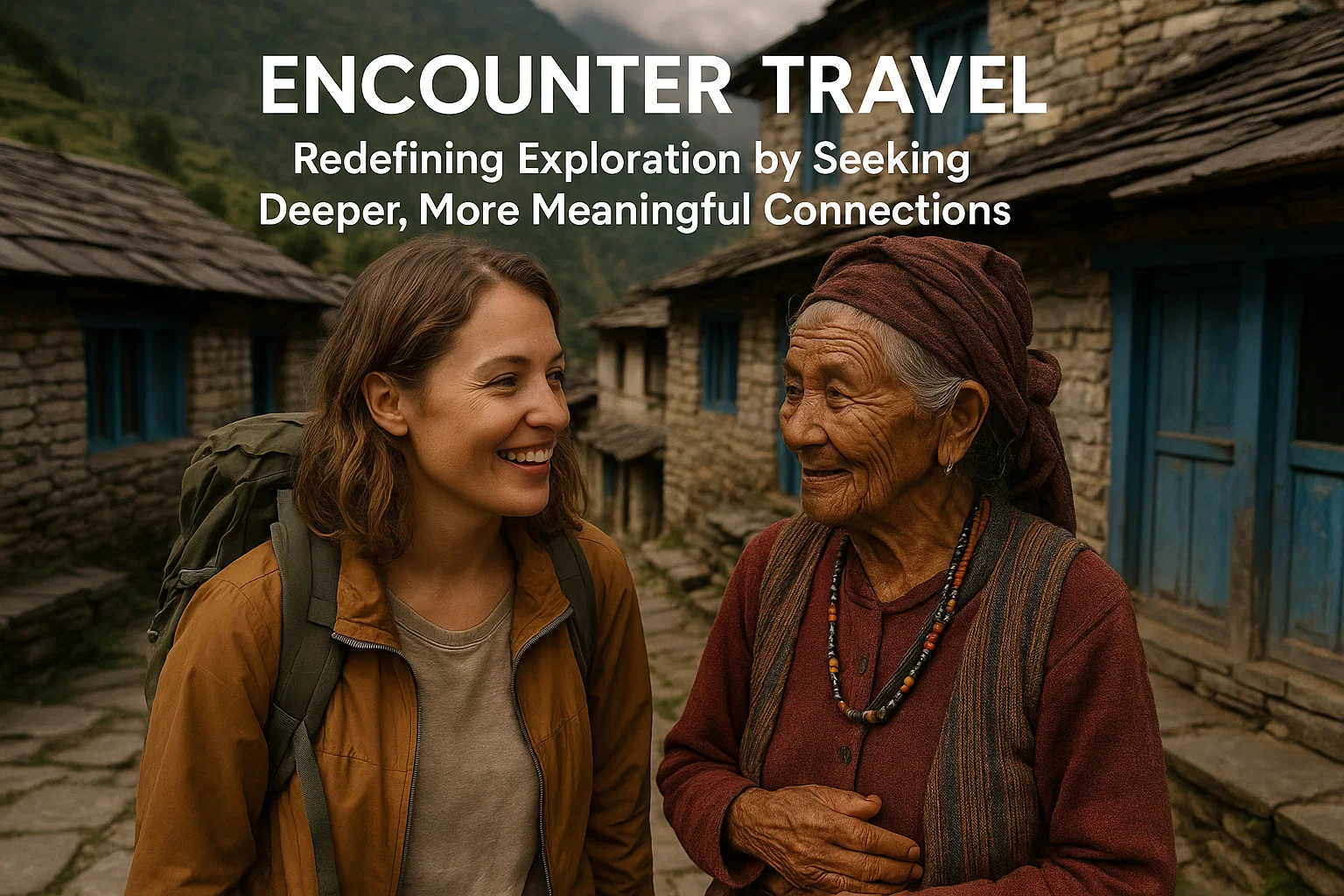
The Transformative Power of Encounter Travel
We live in a world saturated with travel imagery. Our feeds are filled with perfected snapshots of landmarks, luxury suites, and curated experiences. Yet, a growing movement of modern travelers is feeling a quiet disconnect from this polished version of exploration. They are seeking something more substantial, more resonant, and more human than simply checking sites off a list. This is the rise of encounter travel—a philosophy and practice that places meaningful, unscripted connection at the very heart of the journey. It’s a conscious shift from passive observation to active participation, from being a spectator to becoming, even briefly, a part of the story.
This comprehensive guide delves into the essence of encounter travel, exploring its multifaceted dimensions, its profound impacts, and the practical strategies for weaving it into your own adventures. We’ll move beyond the buzzword to understand how this approach redefines not just how we see the world, but how we see ourselves within it. This is about more than a trip; it’s about a transformation sparked by the people we meet, the cultures we engage with, and the natural worlds we immerse ourselves in.
Understanding the Philosophy of Encounter Travel
At its core, encounter travel is an intentional pursuit of authenticity and connection. It defines a trip’s success not by the quantity of sights seen, but by the quality of moments shared and the depth of understanding gained. This philosophy rejects the superficial in favor of the substantive, prioritizing slow immersion over hectic itineraries. It’s built on a foundation of curiosity, respect, and openness, recognizing that the most memorable souvenirs are often intangible—a new perspective, a shared laugh, a moment of profound awe.
This mindset requires a fundamental reorientation of the traveler’s role. Instead of viewing a destination as a backdrop for personal consumption, the encounter traveler sees it as a living, breathing entity with its own rhythm, history, and voice. The goal is to listen to that voice, to step into its flow, and to engage in a respectful dialogue. This philosophy naturally encourages more sustainable and ethical travel practices, as it fosters a sense of stewardship and reciprocal respect between visitor and host.
The Essential Elements of a Genuine Travel Encounter
A true encounter travel experience is built on several key pillars. First is the element of reciprocity. It’s a two-way exchange of value, where the traveler offers genuine interest, respect, and perhaps a story of their own, rather than just extracting an experience. Second is presence. This means putting away the camera to truly see, listening without thinking of the next question, and being fully immersed in the moment. These encounters often happen in the spaces between planned activities—in a local market, at a neighborhood café, or during an unexpected invitation.
Finally, authenticity is paramount. This doesn’t mean seeking some mythical, “untouched” culture; it means engaging with the real, contemporary life of a place. It could be helping a family prepare a meal, learning a few phrases in the local dialect to converse with a shopkeeper, or simply observing daily rituals without judgment. These elements combine to create a sense of place that is felt rather than just observed. This form of encounter-based journeying creates memories that are textured, emotional, and deeply personal.
Cultural Immersion: The Heart of Human Connection
Cultural immersion is often the first dimension people associate with encounter travel. It’s the deliberate move beyond the tourist façade to understand the customs, values, and rhythms of a community. This goes far beyond attending a staged performance or visiting a museum—though those can be starting points. True immersion is about context: understanding the history behind the tradition, the meaning behind the gesture, the story behind the craft. It’s about recognizing culture as a dynamic, lived experience, not a static exhibit.
Achieving this depth requires vulnerability and effort. It might mean accepting an invitation to a local celebration where you don’t know anyone, taking a hands-on workshop in a traditional art form, or volunteering with a community project for a day. The magic happens when you transition from “other” to “guest,” and sometimes even to “friend.” These human connections become the most vibrant threads in the tapestry of your travel memories, offering insights no guidebook ever could and fulfilling the profound human need for meaningful travel encounters.
Natural World Encounters: Beyond the Spectacle
Encounter travel extends powerfully into the realm of the natural world. Here, the goal shifts from merely witnessing grandeur—a breathtaking canyon, a dense rainforest, a vibrant reef—to understanding its intricate systems and our place within them. This is travel that engages all senses and fosters a sense of ecological literacy. It’s the difference between snapping a photo of a whale and learning about its migratory patterns, social bonds, and the conservation challenges it faces from a knowledgeable, ethical guide.
This approach transforms a safari, a hike, or a dive from a sightseeing tour into a profound dialogue with nature. It encourages silent observation to hear the forest’s symphony, mindful walking to notice the smallest fungi, or responsible wildlife viewing that prioritizes animal welfare. The encounter becomes one of awe intertwined with responsibility. As renowned naturalist John Muir implied, we protect what we feel connected to. A deep natural encounter through travel often sparks a lasting commitment to stewardship, making the traveler an ambassador for the planet’s fragile wonders.
The Strategic Framework: Planning for Serendipity
While encounter travel thrives on spontaneity, it paradoxically benefits from thoughtful planning. The strategy isn’t to script every moment, but to create a flexible framework where serendipity can flourish. This begins with destination selection. Instead of choosing a place based on popularity alone, consider its potential for connective experiences. Research neighborhoods, local festivals, family-run guesthouses, or community-based tourism initiatives that serve as natural conduits for authentic interaction. Leave ample blank space in your itinerary for exploration and unexpected opportunities.
Accommodation choice is a powerful lever. Opt for smaller lodges, homestays, or boutique hotels where the owners are present and engaged. These are hubs of local knowledge and connection. Similarly, be strategic with guides. Seek out specialized local experts—a botanist, a historian, a chef—who can offer deep dives into their passion. Learning basic phrases in the local language is perhaps the single most effective tactic. It demonstrates respect and instantly opens doors to more genuine exchanges, turning a simple transaction into a potential human encounter during travel.
Navigating the Ethics of Engagement
The pursuit of connection carries significant ethical weight. Encounter travel demands a heightened awareness of the impact of our presence. The central question shifts from “What can I experience?” to “How can I engage responsibly?” This involves constant self-reflection on power dynamics, economic fairness, and cultural sensitivity. Are we treating people as partners in our experience or as props for our narrative? Is our visit benefiting the local economy in a direct and equitable way, or funneling money to distant corporations?
Informed consent is crucial, especially regarding photography. Always ask permission before taking portraits. Be mindful of participating in or commodifying sacred traditions. Support social enterprises and co-ops that ensure profits stay within the community. Travel slowly to reduce environmental footprint. Ultimately, ethical engagement is about approaching every potential encounter with humility and the primary goal of leaving a place, and its people, better than you found them. It’s about being a conscientious guest in a shared world.
The Inner Journey: Personal Transformation Through Travel
The most profound destination in encounter travel is often internal. These journeys challenge our assumptions, stretch our comfort zones, and reshape our worldview. When we engage deeply with different ways of life, we are inevitably reflected back a new image of ourselves. Our own cultural conditioning, privileges, and biases are brought into sharp relief. This can be uncomfortable, but it is the fertile ground for immense personal growth. We develop empathy not as an abstract concept, but as a felt understanding of another’s reality.
This transformative process builds resilience, adaptability, and problem-solving skills in unfamiliar contexts. It cultivates what psychologists call “cognitive flexibility”—the ability to hold multiple perspectives simultaneously. A traveler who has shared stories with a stranger in a remote village or navigated a complex social situation with grace returns home with more than memories; they return with an expanded sense of self and a quieter confidence. The ultimate souvenir of encounter-focused exploration is a more nuanced, compassionate, and engaged global citizen.
Contrasting Travel Styles: Encounter vs. Traditional Tourism
To fully grasp the value of encounter travel, it’s useful to contrast it with more conventional tourism models. The difference is not necessarily binary—many trips contain elements of both—but understanding the spectrum helps clarify intentions. The chart below outlines key distinctions in approach, goals, and outcomes.
| Dimension | Traditional Tourism (Sightseeing-Centric) | Encounter Travel (Connection-Centric) |
|---|---|---|
| Primary Goal | To see and document famous landmarks and attractions. | To understand, feel, and connect with a place and its people. |
| Itinerary Style | Fast-paced, packed schedule maximizing sites per day. | Slow, flexible, with ample unstructured time for spontaneity. |
| Engagement Depth | Often observational and passive; viewing from the outside. | Participatory and immersive; seeking to be within the experience. |
| Success Metrics | Number of countries/cities visited, photos taken, checklist items completed. | Quality of interactions, depth of insight gained, personal stories collected. |
| Primary Interactions | With service staff, tour guides, and other tourists. | With locals, artisans, families, and community members. |
| Accommodation | Large chain hotels, resorts in tourist zones. | Small guesthouses, homestays, eco-lodges, locally-owned boutiques. |
| Economic Impact | Often leaks to international corporations. | Directly targets local businesses, guides, and community projects. |
| Personal Outcome | A collection of photos and souvenirs; a sense of having “been there.” | A collection of stories and perspectives; a sense of having connected there. |
This comparison isn’t about labeling one style “good” and the other “bad.” A whirlwind tour of European capitals has its own delights. However, for travelers feeling a hunger for more substance, shifting even partially toward the right column can redefine their entire relationship with exploration. The trend toward transformative encounter travel reflects this widespread desire for more meaningful returns on our investment of time and resources.
Mastering the Art of the Slow Travel Mindset
Slow travel is the indispensable companion to encounter travel. It is the operational methodology that makes deep connection possible. By choosing to cover less ground geographically, you gain immeasurable depth experientially. Spending a week in one village versus one night in each of seven cities allows you to witness its daily rhythms, recognize faces in the market, and become a familiar presence rather than a fleeting shadow. This depth fosters the trust and familiarity that lead to richer, more relaxed encounters.
Adopting this mindset means resisting the pressure to be everywhere. It means savoring a long lunch at a family-run taverna, taking the same walking path each morning to see how the light changes, or spending an afternoon simply reading in a town square. This deceleration allows for a deeper sensory and emotional absorption of a place. You notice details missed in a rush—the scent of bread baking, the pattern of greetings between neighbors, the changing sounds from dawn to dusk. Slow travel is the fertile soil in which the seeds of genuine travel encounters are sown and nurtured.
Building Bridges: Language and Non-Verbal Connection
Language is the most direct bridge to another person’s world. In the context of encounter travel, even a minimal, good-faith effort to speak the local language pays exponential dividends. Learning basic greetings, “please,” “thank you,” and “how are you?” is a fundamental sign of respect that immediately changes the dynamic of an interaction. It signals that you see yourself as a guest in their space, willing to step toward them. This small effort often triggers warmth, patience, and a willingness to engage that would remain hidden behind a language barrier.
When words fail, as they often will, the realm of non-verbal communication takes over. A genuine smile, open body language, and respectful eye contact are universal currencies of goodwill. Sharing a meal, accepting a offered drink, or expressing curiosity through pointing and gestures can create powerful bonds. The shared experience of navigating a communication gap—often filled with laughter and creative miming—can itself become a memorable human encounter. It strips away pretense and connects us on a fundamentally human level.
The Role of Technology: Tool, Not Crutch
Technology presents a dual-edged sword for the encounter traveler. Used wisely, it is an unparalleled tool for research, navigation, and translation. Apps can help you identify local-owned businesses, translate menus in real-time, or learn about a site’s history on the spot. They can facilitate connections through reputable platforms that link travelers with local hosts for meals, workshops, or tours. The key is intentional, purposeful use that enhances the real-world experience rather than replacing it.
The danger lies in allowing technology to become a barrier—a screen we hide behind. The constant urge to document for social media can pull us out of the present moment, turning an experience into content. The practice of “digital detox” during key parts of the day, such as meals or walks, can be revolutionary. Store your phone deep in your bag. Observe, listen, and feel without the filter of a lens or the distraction of a notification. Let the encounter be your sole focus, knowing that the memory, though unrecorded, will be etched more deeply for your full attention.
Overcoming the Fear of the Unscripted
For many, the leap into unplanned, connection-focused travel can feel intimidating. We are conditioned to seek safety in schedules and the familiar. Stepping into a situation where you don’t know the rules, can’t speak the language, and aren’t sure of the outcome requires courage. The first step is to reframe “uncertainty” as “possibility.” Understand that awkward moments, minor misunderstandings, and getting slightly lost are not failures; they are integral chapters in the story of a rich journey. They are often the moments that lead to the most unexpected and rewarding encounters.
Start small to build your confidence. On your next trip, even if it’s a more traditional tour, carve out one afternoon with no plans. Wander without a map. Sit at a café and simply watch the world go by, making eye contact and smiling. Strike up a conversation with a shopkeeper about their products. Each small success builds the resilience and social muscle for deeper immersion next time. As travel expert Rick Steves once noted, “A traveler sees what they see. A tourist sees what they have come to see.” The encounter traveler seeks what they have not yet imagined, and that requires embracing the beautiful unknown.
The Ripple Effect: From Personal Experience to Global Perspective
The impact of a single encounter travel journey rarely ends with the traveler. These experiences create powerful ripple effects. Returning home, you carry not just souvenirs, but stories. You become an advocate for the places you visited, sharing nuanced narratives about its people and culture that counter stereotypes. You may develop a long-term commitment to a community, supporting it from afar or returning to deepen the relationship. Your travel choices begin to reflect your values, influencing the industry through your economic votes for responsible businesses.
On a broader scale, this collective shift in travel consciousness has the potential to foster global empathy and understanding at a time when it is desperately needed. When millions of travelers prioritize connection over consumption, they build an informal network of cultural ambassadors. This grassroots diplomacy challenges narratives of “otherness” and builds bridges of shared humanity. As Pico Iyer eloquently captured, “We travel, initially, to lose ourselves; and we travel, next, to find ourselves.” But in the model of encounter travel, we also travel to find each other, creating a tapestry of global connection one meaningful meeting at a time.
“Travel is not about the destination, but the transformation that occurs along the way. The most powerful agent of that transformation is not a place, but a person. When we open ourselves to a genuine encounter, we allow the world to change us.” – Anonymous Travel Philosopher
Conclusion: The Journey Toward Connection
Encounter travel is more than a trend; it is a meaningful evolution in why and how we explore our world. It answers a deep-seated human yearning for authenticity and shared experience in an increasingly digital and fragmented age. This approach invites us to trade breadth for depth, spectacle for substance, and itinerary for insight. It challenges us to be more vulnerable, more curious, and more present. The rewards are immeasurable: a profound sense of belonging in the world, a treasure trove of human stories, and a renewed perspective on our own lives.
Ultimately, encounter travel redefines the very purpose of a journey. The destination becomes not a pin on a map, but a state of connection—with a culture, a landscape, a community, and with a more open version of oneself. It is an ongoing practice, a lens through which to view all future adventures. As you plan your next trip, consider how you might invite more encounters. Seek the handshake, the shared meal, the quiet moment of understanding. For in these connections, we discover the true, beating heart of travel, and perhaps, the best of what it means to be human.
Frequently Asked Questions (FAQs)
What exactly is encounter travel?
Encounter travel is a purposeful style of exploration that prioritizes meaningful, authentic connections—with people, cultures, and natural environments—over standard sightseeing. It focuses on immersive, slow, and respectful experiences that foster mutual understanding and personal growth, making the journey more about depth of engagement than a checklist of attractions.
How is encounter travel different from cultural tourism?
While cultural tourism often involves observing cultural exhibits or performances, encounter travel seeks active participation and two-way exchange. It moves beyond staged experiences to engage with everyday life, build genuine relationships, and understand context. The goal is a transformative dialogue, not just observation, making every encounter a step toward deeper cultural insight.
Is encounter travel safe, especially when engaging with strangers?
Safety is paramount and is built into a responsible encounter travel approach. It involves using common sense, choosing reputable local guides or community-trusted platforms for connections, staying in recommended areas, and informing others of your plans. Most genuine encounters happen in safe, public, or hosted settings. Trust your instincts, but don’t let fear prevent you from the respectful, open interactions that define this journey.
Can I practice encounter travel on a short trip or a cruise?
Absolutely. While slow travel is ideal, the mindset of encounter travel can be applied to any itinerary. On a short trip, choose one neighborhood to explore deeply. On a cruise, skip the generic shore excursion and book a small-group tour with a local guide or visit a social enterprise. Prioritize a few meaningful interactions over trying to see everything, proving that a purposeful encounter can enrich even a brief visit.
How do I find legitimate local guides or homestays for an authentic encounter?
Research is key. Look for travel platforms that specialize in local experiences (like ToursByLocals, Withlocals, or EatWith). Seek recommendations from responsible travel blogs and forums. For homestays, investigate community-based tourism networks that are owned and managed by the community itself. Reading detailed reviews that mention specific hosts and connection quality is the best way to ensure an authentic travel encounter.