The Ultimate Compendium of Baby Travel Essentials
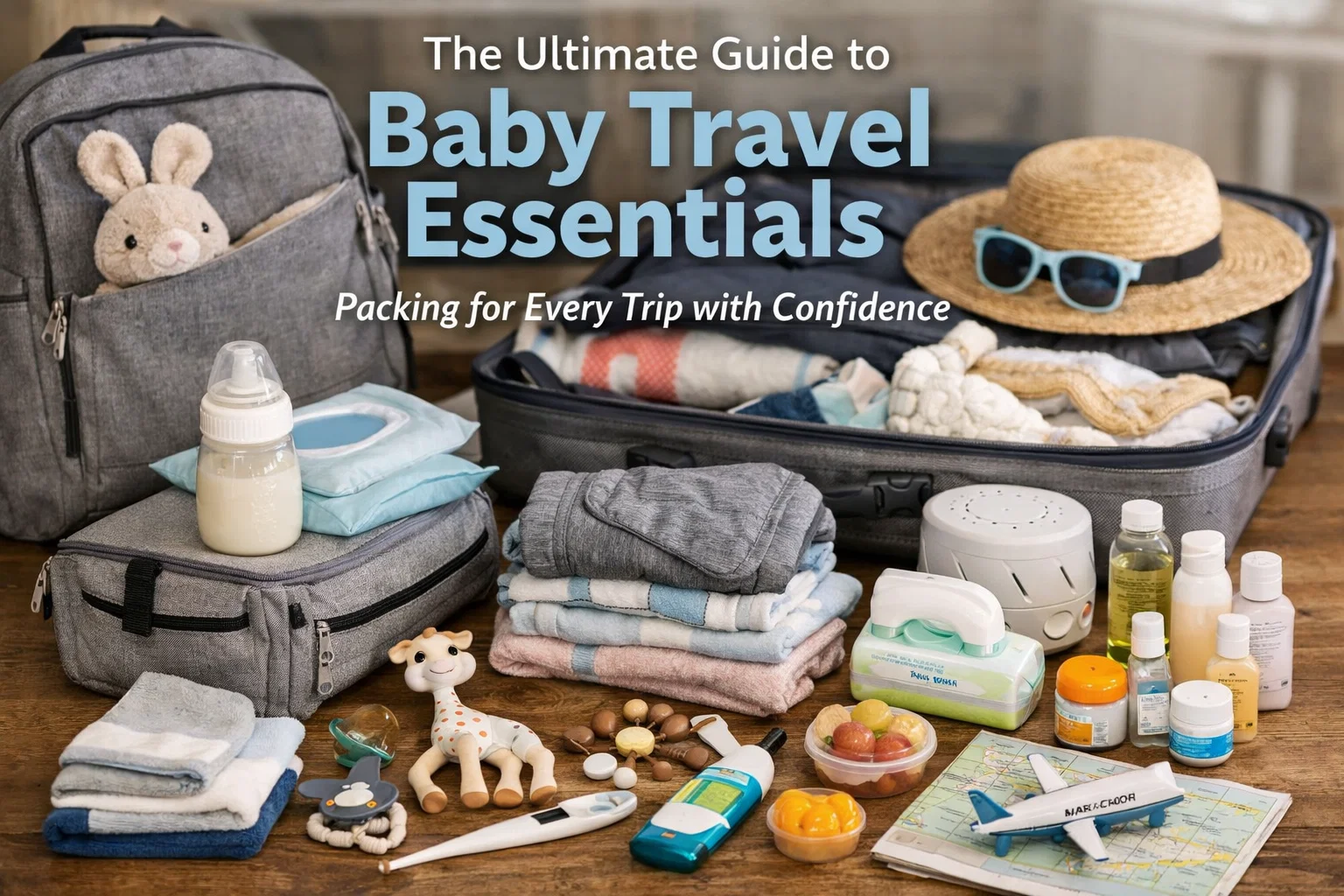
This guide explains the strategic, practical, and nuanced art of assembling your baby travel essentials. Moving beyond simple packing lists, this resource helps readers build a foundational system for every journey, from a weekend at grandma’s to an international adventure. We address the core parental anxieties around travel—overpacking, being unprepared, and managing logistics with a little one—by providing a principles-first approach to selecting gear, clothing, and supplies. You will learn not just what to pack, but why and how, transforming travel from a daunting prospect into a series of manageable, even enjoyable, experiences.
The search for the perfect list of baby travel essentials is often driven by a blend of excitement and palpable anxiety. The vision of a relaxing getaway clashes with the mental image of a forgotten favorite pacifier at 30,000 feet or a blowout diaper with no spare outfit in sight. This tension is real, and most generic lists fail to address it because they lack context. Every family, destination, and mode of transport is different. A successful packing strategy isn’t about checking items off a monolithic list; it’s about understanding your child’s needs, the trip’s unique parameters, and the principles of minimalist, efficient preparation. This guide serves as your comprehensive manual, built on hands-on experience and evolving best practices, to curate a personalized kit that ensures safety, comfort, and sanity for everyone.
Decoding the Philosophy of Traveling with a Baby
Before a single onesie is folded, it’s crucial to shift your mindset. Traveling with an infant or toddler is not a watered-down version of adult travel; it is a distinct category of expedition with its own rules and rhythms. The primary goal transitions from sightseeing at a breakneck pace to maintaining the delicate ecosystem of your child’s well-being in a new environment. Your kit of baby travel essentials becomes the portable version of that ecosystem.
This philosophy rests on three pillars: Redundancy, Accessibility, and Adaptability. Redundancy means packing critical spares (think: diapers, wipes, outfits) because failures always happen at the most inconvenient times. Accessibility is the art of organizing your diaper bag and luggage so that the pacifier, snack, or clean bib can be retrieved with one hand, possibly while wearing the baby in a carrier. Adaptability is the most advanced skill—selecting items that serve multiple purposes and being mentally prepared to improvise when plans inevitably change. A large muslin swaddle, for instance, is a blanket, a nursing cover, a sun shade, a play mat, and a burp cloth. Embracing this mindset is the first and most important step in mastering family travel.
The core takeaway: Successful travel with a baby is less about the destination and more about thoughtfully recreating their core routines and comforts on the move.
Navigating the Primary Challenges: Overpacking, Inaccessibility, and Routine Disruption
New traveling parents typically confront three universal problems that turn packing into a stressful ordeal. Let’s dissect each and outline their solutions.
Problem One: The Overpacking Trap. The fear of being without a needed item leads to cramming the entire nursery into a suitcase. The outcome is physical strain from heavy bags, excessive baggage fees, and the frustration of digging through unused items to find what you actually need. The solution is a strategic, capsule-style approach to baby travel essentials. Instead of packing for every conceivable scenario, pack for the most likely 80%, relying on adaptability for the rest. Choose clothing in a coordinating color palette for easy mixing and matching, and select multi-functional gear.
Problem Two: The Black Hole Bag. You know you packed the wipes, but they’ve vanished into the abyss of a poorly organized diaper bag during a diaper emergency. The outcome is stress, wasted time, and a crying baby. The solution is systematic organization using pouches and designated pockets. Use clear, zippered pouches to group like items: a “Diaper Change” pouch with diapers, a travel pack of wipes, and a small pad; a “Feeding” pouch with bibs, utensils, and snacks; a “Health” pouch with medicines and a thermometer. This creates modular, grab-and-go units.
Problem Three: Routine Disruption and Meltdowns. Babies and toddlers thrive on predictability. Travel shatters their routine, leading to overtiredness, hunger confusion, and fussiness. The outcome is a miserable child and defeated parents. The solution is to use your baby travel essentials as anchors of familiarity. Bring their favorite lovey, a familiar sleep sack, their usual bedtime story book, and their typical snacks. Prioritize recreating key rituals, like the bedtime routine, even in a hotel room, to provide comfort and signal what comes next.
The core takeaway: Anticipating these common pitfalls allows you to pack and organize proactively, turning potential travel crises into minor, manageable hiccups.
The Foundational Layers: What Really Belongs in Your Travel Kit
A baby’s needs can be categorized into logical layers. Building your kit layer by layer ensures comprehensive coverage without random guesswork.
The Safety and Health Layer. This non-negotiable layer is the bedrock of your baby travel essentials. It includes:
- Health Kit: Infant pain reliever/fever reducer, teething gel, a digital thermometer, saline drops, a snot sucker (like a nasal aspirator), any prescribed medications, and a first-aid kit with bandages and antiseptic.
- Hygiene: More diapers than you think you’ll need for the travel day, a full pack of wipes, diaper cream, hand sanitizer, and a compact changing pad.
- Sun Protection: Mineral-based sunscreen suitable for baby’s sensitive skin, a wide-brimmed hat, and UV-protective clothing or swimwear.
The Nourishment Layer. Whether breastfed, formula-fed, or on solids, feeding logistics require careful planning.
- For Bottle-Feeding: Pre-measured formula in a dispenser, more bottles than you’d use in a day to avoid constant washing, a travel bottle brush, and a thermos of hot water for on-the-go preparation if needed.
- For Solids: Portable, non-perishable snacks (puffs, pouches, rice cakes), disposable or silicone bibs, a spill-proof sippy cup, and compact feeding utensils.
- Universal: Burp cloths and bibs are essential for containing messes in confined spaces.
The Comfort and Clothing Layer. This is about managing mess and temperature.
- The “Rule of Three” for Outfits: Always pack three extra outfits per day in your carry-on: one for a spill, one for a diaper leak, and one just in case. Opt for easy, one-piece rompers or separates that allow for quick changes.
- Comfort Items: The beloved lovey, pacifiers (with clips and spares), a familiar blanket, and a lightweight sleep sack.
- Climate Control: Always pack a light layer, even for warm destinations, as planes, cars, and restaurants can be overly air-conditioned.
The core takeaway: Your baby travel essentials kit is a pyramid; health and safety items form the indispensable base, supporting the layers of nourishment and comfort above.
Gear and Equipment: Selecting Your Travel Workhorses
Your choice of major gear can make or break your travel experience. This is where research and understanding trade-offs are critical.
Defining Travel-Friendly Gear
Travel-friendly baby gear is characterized by its balance of durability, weight, and compactness. Unlike everyday strollers or car seats, travel versions prioritize features like one-handed folding mechanisms, lighter frame materials (often aluminum or advanced polymers), and compatibility with various transport modes. The ideal piece often sacrifices some premium comfort or storage for exceptional portability, knowing it will be gate-checked, stored in compact car trunks, and hauled up hotel stairs. Key attributes to seek include a carry strap or bag, a standing fold (so it doesn’t lie on dirty ground), and as streamlined a profile as possible without compromising critical safety standards.
The Stroller Dilemma: Umbrella vs. Travel System
The choice often boils down to an ultra-compact umbrella stroller versus a more robust travel system stroller.
- Ultra-Compact Umbrella Strollers are champions of portability. They are incredibly light (often under 15 lbs), fold down to a size that fits in an airplane overhead bin, and are easy to maneuver in tight spaces like airports and shops. The trade-off is limited features: minimal recline, small sun canopies, less storage, and a bumpier ride on uneven surfaces. They are best for older infants and toddlers on trips where you’ll be navigating crowded areas and need maximum agility.
- Travel System Strollers are designed as travel-optimized versions of full-featured strollers. They offer better suspension, more recline positions (crucial for napping), larger canopies, and decent storage baskets. While still lighter than their everyday counterparts, they usually require gate-checking on planes. They are ideal for longer trips, destinations with rougher terrain, or for parents who want to maintain more of the comfort features their baby is used to.
The core takeaway: Your travel stroller should be the lightest, most compact model that still meets your child’s core needs for comfort and your destination’s logistical demands.
The Car Seat Conundrum: To Bring, To Rent, or To Check?
This is one of the most debated topics among traveling parents, fraught with safety concerns and practical hurdles.
Bringing Your Own (Checked or Gate-Checked): This guarantees your child is in a seat you know, trust, and that fits them correctly. However, checking a car seat as luggage exposes it to potentially damaging handling that could compromise its integrity, often voiding the manufacturer’s warranty. Using a protective travel bag helps, but does not eliminate risk. Gate-checking is gentler, but the seat still travels in the aircraft hold.
Bringing Your Own (On the Plane): If you purchase a seat for your child, using an FAA-approved car seat on the aircraft is the safest option in-flight. It also ensures you have your seat at your destination. The significant downside is lugging it through the airport—a heavy, awkward task even with a travel cart.
Renting at Your Destination: Car rental companies and some baby gear rental services offer car seats. The convenience is undeniable. The risks are profound: you cannot know the seat’s history (has it been in an accident?), its cleanliness, or if it will be the correct model and size for your child. Instances of improper installation by rental staff are also common.
The Practical Case Insight: A family traveling to a major European city for a week opted for a hybrid approach. They used a lightweight, FAA-approved travel car seat (like the Cosco Scenera Next) for their toddler on the plane, securing her own seat. They attached it to a compact travel cart, transforming it into a stroller for the airport. Upon arrival, they used it in taxis and rental cars. This solution, while requiring an upfront investment in the specific travel seat, provided safety, familiarity, and logistical ease throughout the journey, eliminating dependency on questionable rentals.
As a certified Child Passenger Safety Technician, I always advise, “The safest car seat for travel is the one you can use correctly every single time. For most families, that means using a seat they are intimately familiar with, in good condition, and that they can install properly themselves.”
The core takeaway: For optimal safety and consistency, bringing a dedicated, lightweight travel car seat that you can use on the plane is the gold standard, despite the physical effort involved.
The Carrier vs. Stroller Decision Matrix
This isn’t an either/or question for many trips; it’s about understanding which tool is right for which moment.
| Scenario | Baby Carrier Recommendation | Stroller Recommendation | Rationale |
|---|---|---|---|
| Airport Navigation | Primary Tool | Check or use as luggage cart | Carriers keep hands free for tickets/ID, allow easy boarding, and babies often sleep. Use stroller to haul car seat/bag to gate. |
| Crowded Markets or Festivals | Strong Preference | Avoid if possible | Maneuverability in tight spaces is superior with a carrier. A stroller becomes a cumbersome obstacle. |
| Long Days of Sightseeing | Alternating Use | Primary Tool | A stroller provides essential storage for bags, purchases, and water. It gives your child a restful space and your back a break. |
| Beach or Natural Trails | Primary Tool | Likely impractical | Sand, stairs, and uneven paths can stymie even rugged strollers. A carrier distributes weight and handles terrain. |
| Public Transportation | Strong Preference | Possible with compact fold | Navigating buses or subways with a stroller is challenging. A carrier is seamless for short transit hops. |
The core takeaway: A wearable baby carrier and a compact stroller are complementary tools in your travel arsenal; the savvy parent learns to deploy each based on the immediate environment and activity.
Mastering the Art of the Travel Diaper Bag
Your diaper bag transitions from a daily purse to a mission-critical command center. Organization is everything.
The Modular Pod System: As mentioned, this is the game-changer. Dedicate pods to: Diapering, Feeding, Health, Toys, and a “Parent Pod” with your wallet, phone, and sunglasses. Use different colored pouches or clear ones for instant identification. This allows your partner or a caregiver to find exactly what’s needed without a guided tour of the bag.
Critical “Just-in-Case” Items: Beyond the basics, a few items can salvage a difficult situation. A compact roll of dog poop bags (for sealing soiled clothes or diapers when no trash is nearby), a portable white noise machine (for impromptu naps in loud places), a few ziplock bags of various sizes, and a portable phone charger. From hands-on use, a small, manual emergency light or glow sticks can also soothe a frightened child during a sudden, dark airplane descent or in an unfamiliar hotel room at night.
The core takeaway: A strategically packed diaper bag operates like a tactical toolkit, where every item has a purpose and a known location, enabling calm and efficient problem-solving on the go.
Packing Strategies by Destination and Climate
Your list of baby travel essentials must be tailored. A beach vacation demands a different kit than a ski trip or a city cultural tour.
Beach and Sun Holidays: Here, sun and sand protection are paramount. Essentials expand to include a pop-up UV beach tent (for shade and nap space), a baby-friendly insect repellent, swim diapers (both reusable and disposable), a rash guard with UPF 50+, and sand toys. A portable, battery-operated fan is also invaluable. Pack multiple lightweight, quick-dry outfits and wide-brimmed hats.
Cold Weather and Snow Travel: The key is layering. Pack thin, moisture-wicking base layers (like merino wool or polyester), insulating mid-layers (fleece), and a waterproof, windproof outer shell. Don’t forget warm hats that cover ears, mittens (preferably with clips), and insulated boots. In practice, it’s better to layer several light pieces than rely on one bulky snowsuit, especially for car travel where bulk can interfere with car seat harness fit.
Urban Exploration Trips: Efficiency and compactness rule. Your baby travel essentials for a city should focus on navigating crowds and public spaces. A superior baby carrier and/or a supremely compact stroller are key. Pack a small, secure cross-body diaper bag to deter pickpockets. Include compact, quiet toys for restaurant waits and museum queues. Research family-friendly facilities in advance.
The core takeaway: Let your destination’s environment and planned activities dictate the specialized additions to your core baby travel essentials kit, always building upon the foundational safety and comfort layers.
Navigating Air Travel with an Infant
Air travel presents a concentrated series of challenges where your preparation is tested in real-time.
Booking and Seating Strategy: If your budget allows, purchasing a seat for your child and using their car seat is safest. If flying with a lap infant, try to select a bulkhead seat where bassinets are often provided on long-haul flights. An aisle seat offers easier walking/rocking access, while a window provides a distraction and a barrier for sleep.
Managing Ear Pressure: The change in cabin air pressure during ascent and descent can cause painful ear pressure. The solution is to encourage swallowing. For babies, feed them (breast or bottle) during takeoff and landing. For toddlers, offer a sippy cup, pouch, or lollipop. Pacifier use can also help. Avoid letting them sleep through descent if possible.
In-Flight Sanity: Your diaper bag pods are your best friends here. Have a dedicated “Entertainment” pod with new (or long-forgotten) small toys, stickers, and books. A tablet loaded with age-appropriate shows, with child-safe headphones, is a modern essential for many families. Walk the aisles when safe, and utilize the changing table in the airplane lavatory, which is surprisingly functional. Remember to pack an extra outfit for yourself in your carry-on, as spills and leaks have a way of transferring.
The core takeaway: Treat the airport and aircraft as environments to be managed with scheduled activities (feeding during pressure changes, new toys during fussiness) rather than endured, using your carefully curated essentials to maintain routine and comfort.
Road Trip Readiness with a Baby
Road trips offer control but introduce the challenge of confinement and the need for frequent stops.
Car Safety and Comfort: Ensure your car seat is correctly installed and that your child is dressed in safe, non-bulky clothing for harness fit. Use sunshades on windows to reduce glare and heat. A mirror that allows you to see your rear-facing infant is invaluable for peace of mind. Plan your driving segments around nap times to maximize quiet miles.
The Strategic Stop: Plan to stop every 1.5-2 hours. Use these stops not just for diaper changes, but for real breaks. Lay out a blanket at a rest area for tummy time, let a toddler run in a safe space, and feed them outside of the car seat. This helps break the monotony and reduces fussiness when re-strapped in.
On-Board Entertainment and Snacks: Have a separate “Car Bag” within reach filled with toys, books, and snacks that you can hand back. Rotate toys at each stop to renew interest. A portable music player with children’s songs or audiobooks can create a calming atmosphere. Never underestimate the power of simple car games like “spot the red truck” for older toddlers.
The core takeaway: A successful road trip with a baby is paced, not rushed, leveraging scheduled breaks for movement and resetting the environment inside the car to prevent meltdowns.
Accommodation Hacks: Creating a Home Base Anywhere
Your hotel or rental is not just a place to sleep; it’s your operational headquarters. A little setup goes a long way.
Childproofing on Arrival: Upon check-in, do a quick safety sweep. Look for exposed outlets, loose cords, sharp corners on furniture, and accessible cleaning supplies. Use painter’s tape (a versatile travel essential) to secure cords or cover outlets temporarily. Move breakable or hazardous items to high shelves.
Creating a Sleep Space: Consistency is key for sleep. Bring the sleep sack, lovey, and a portable sound machine. Use suitcases or furniture to create a safe, enclosed “room” for a pack ‘n play if the room feels too large and stimulating. Request a room with a blackout curtain, or use clothespins and a blanket to improvise one. This matters most when dealing with time zone changes; a dark, familiar-feeling space cues sleep regardless of local time.
Managing Meals and Mess: If you have a kitchenette, use it. A portable dishwasher pod and a travel bottle brush make cleaning easier. Use a plastic shower cap to cover unused hotel room glasses. Designate a towel as the “floor mat” for under the high chair (which you can often rent from the hotel or a local service) to catch the inevitable mess.
The core takeaway: The first hour in your accommodation, dedicated to strategic childproofing and recreating sleep cues, pays dividends in safety and restful nights for the remainder of your trip.
The Ever-Changing List: Adapting Essentials as Your Child Grows
Your baby travel essentials are a dynamic list, evolving dramatically from the newborn stage to the active toddler years.
Newborn (0-6 months): The focus is on portability and supporting basic needs. A secure baby carrier is often more useful than a stroller. You’ll need a portable bassinet or sleep pod, a portable white noise machine, and a focus on feeding and changing supplies. Their immobility makes them relatively easy to travel with, provided their core needs are met on demand.
Older Infant (6-12 months): This stage introduces the challenge of feeding solids and increased curiosity. Your kit must now include bibs, suction bowls, snacks, and small, engaging toys. A compact, reclining stroller becomes more important as they stay awake for longer periods but still need nap support.
Toddler (1-3 years): Mobility and strong opinions define this stage. Essentials shift toward containment (a sturdy umbrella stroller or travel harness for crowded places), entertainment (more complex toys, coloring supplies), and snack management. A lightweight travel cot replaces the bassinet. This is also the time to strongly consider their own airplane seat with a CARES harness or travel car seat.
The core takeaway: Regularly audit and evolve your travel kit to match your child’s developmental stage, shifting focus from pure portability for a newborn to engagement and boundary-setting for a toddler.
Final Pre-Departure Checklist: The Authority’s Review
Use this actionable checklist 24 hours before departure to ensure no critical component is overlooked.
Documents & Logistics:
- [ ] Child’s ID (passport for international, birth certificate or ID card for domestic if needed)
- [ ] Copies of important documents stored separately
- [ ] Boarding passes and reservations
- [ ] Contact info for pediatrician and travel insurance
- [ ] Confirmed accommodations with any requested gear (crib, high chair)
Health & Safety:
- [ ] Fully stocked health kit (meds, thermometer, first-aid)
- [ ] Sunscreen and insect repellent
- [ ] 1.5x the diapers/wipes needed for travel day in carry-on
- [ ] Sanitizing wipes and hand sanitizer
Nourishment:
- [ ] Formula/bottles/snacks for 24+ hours (in case of delays)
- [ ] Bibs, utensils, spill-proof cup
- [ ] Empty water bottle for post-security filling
Comfort & Clothing:
- [ ] 3 extra outfits in carry-on, plus pajamas
- [ ] Loveys, pacifiers (with spares and clips), sleep sack
- [ ] Light layer and weather-appropriate outerwear
Gear & Entertainment:
- [ ] Stroller and/or carrier, checked for function
- [ ] Car seat secured with travel bag if checking
- [ ] “Entertainment” pod with new, small toys/books
- [ ] Tablet/device charged, with downloads and headphones
The core takeaway: This final systematic review transforms anxiety into confidence, confirming that your comprehensive system of baby travel essentials is ready to support your family’s adventure.
Conclusion: Travel as a Tapestry of Memories, Not Just a Checklist
Assembling the perfect collection of baby travel essentials is an act of love and foresight. It is the practical work that lays the groundwork for the magical moments: the wonder in their eyes at seeing the ocean for the first time, the joy of a shared ice cream in a foreign plaza, the cozy comfort of a family snuggle in a new place. This guide has armed you not with a rigid dictation of items, but with a philosophy and a flexible framework. You now understand the principles of redundancy, accessibility, and adaptability. You can navigate the gear trade-offs, tailor your kit to your destination, and manage the unique hurdles of planes, cars, and hotels.
The goal is not a flawless trip—there will always be forgotten items and unexpected challenges. The goal is resilience. It’s the ability to handle those challenges with grace because you have the core systems in place. Your thoughtfully prepared essentials free you from constant worry about the “what ifs,” allowing you to be present. They enable you to weave a tapestry of memories with your growing child, proving that the world is still yours to explore, one thoughtfully packed bag at a time. Consider exploring our deeper guides on specific destination types or sleep strategies while traveling to continue building your family travel expertise.
Frequently Asked Questions (FAQ)
What is the single most important baby travel essential?
Beyond diapers and wipes, the most critical essential is a well-organized diaper bag using a modular pouch system. When you can instantly find a pacifier, a clean onesie, or infant Tylenol during a crisis at 35,000 feet, it preserves everyone’s sanity and turns a potential meltdown into a solved problem.
How many diapers should I pack in my carry-on for a flight?
A reliable rule is to pack one diaper for every hour of travel time, plus a minimum of three extras. For a cross-country 6-hour flight, pack at least 9-10 diapers. This accounts for delays, unexpected digestive “events,” and the time spent getting to and from the airport. It’s always better to have leftovers.
Is it worth buying a separate “travel” stroller or car seat?
For families who travel more than once or twice a year, investing in dedicated travel gear is often worthwhile. A lightweight, compact travel stroller and an inexpensive, FAA-approved travel car seat (like the Cosco Scenera Next) reduce strain, simplify logistics, and protect your primary, often bulkier gear from the wear and tear of transit.
How do I handle time zone changes and jet lag with a baby?
Focus on anchoring to local time for light exposure and meals as soon as you arrive. Use blackout shades and white noise to enforce sleep during the local night, even if it’s not their biological night. Be patient—adjustment takes about one day per time zone crossed. Maintain key bedtime routines with your travel essentials (sleep sack, book) to provide comfort.
What should I do if I forget a crucial baby item at home?
First, don’t panic. Unless you’re traveling to a remote location, almost any baby essential can be purchased at your destination. Major brands of diapers, formula, and common medications are available globally. Utilize local pharmacies, supermarkets, or big-box stores. For gear, many destinations now have excellent baby equipment rental services that can deliver items to your hotel.