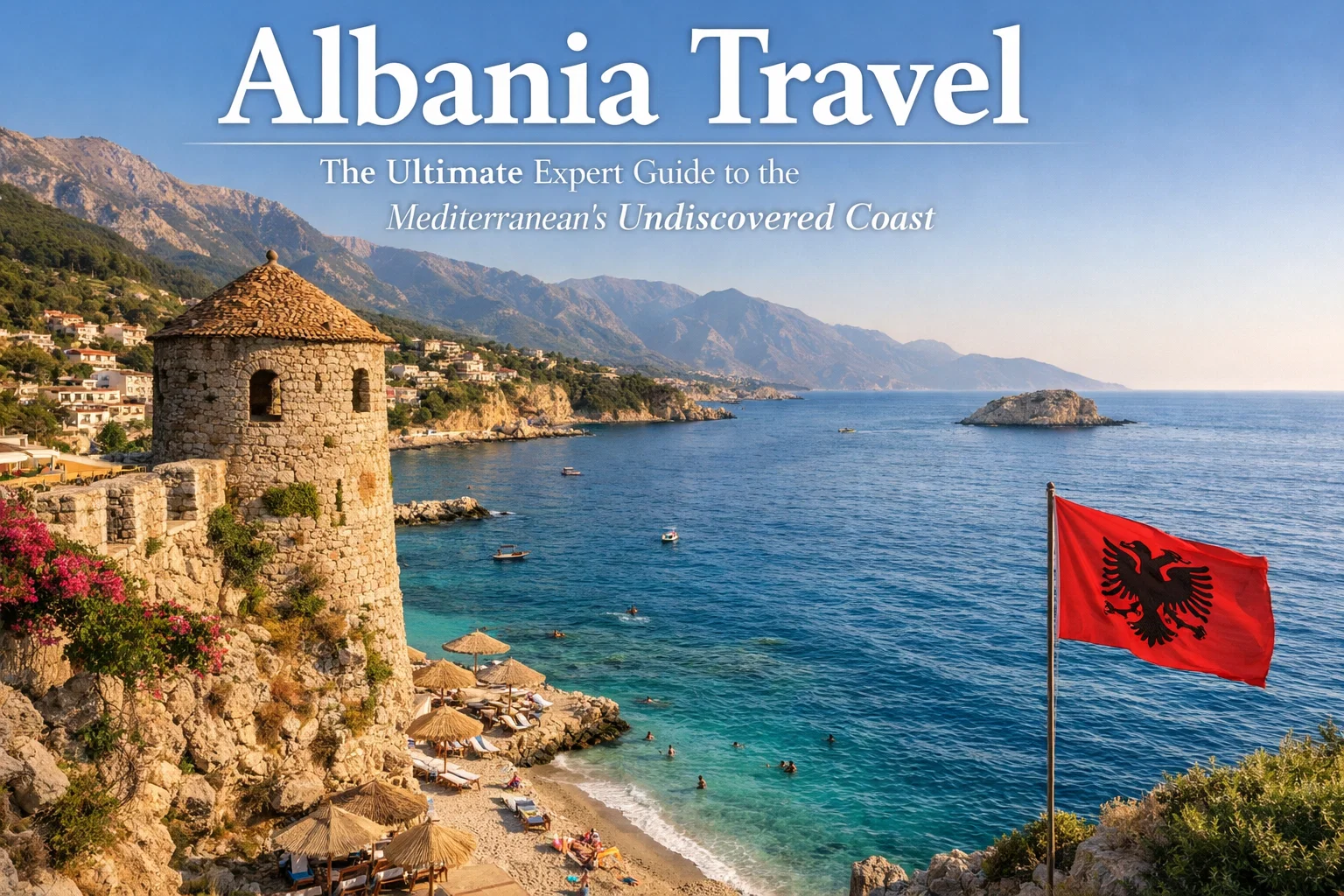
The Comprehensive Guide to Albania Travel: Unlocking the Secrets of the Mediterranean’s Last Undiscovered Coast
Albania travel represents one of the final great adventures in Europe. This is not a destination of pre-packaged tours and predictable itineraries. It is a land of staggering contrasts, where timeless traditions meet a palpable energy for the future, and where rugged, pristine landscapes hold stories etched in ancient stone. For the discerning traveler, a journey here is a move away from the trodden path toward authentic discovery. This guide explains everything you need to know to plan an insightful, smooth, and profoundly rewarding visit to Albania, transforming curiosity into confident exploration.
Executive Summary
Albania is a multifaceted destination offering the azure waters of the Ionian Sea, the formidable peaks of the Accursed Mountains, UNESCO-listed ancient cities, and a uniquely warm hospitality. This guide serves as your master resource, providing strategic planning advice, deep cultural context, practical on-the-ground tips, and nuanced insights drawn from extensive experience. We cover everything from navigating transport and understanding history to choosing between the Albanian Riviera and the alpine north, all designed to help you craft a journey that is as seamless as it is unforgettable.
Introduction
For too long, Albania lingered in the shadows of European tourism, a mysterious blank spot on the map for many. Today, that has irrevocably changed. Word has spread of its spectacular, uncrowded beaches, breathtaking mountain trails, and cities where Ottoman-era architecture sits beside vibrant café culture. This resource helps readers move beyond the initial intrigue to practical, immersive planning. We address the core questions—Is it safe? How do I get around? What are the can’t-miss experiences?—while also delving into the subtle rhythms that make Albania travel so special. Our intent is both informational and practical, equipping you with the knowledge to travel independently and connect meaningfully with the country’s soul.
Understanding the Allure of Albania
To understand modern Albania is to appreciate a history of remarkable resilience. Its landscapes have been shaped by Illyrian tribes, Roman emperors, Byzantine bishops, Ottoman pashas, and decades of 20th-century isolation. This complex layering is visible everywhere: in the polyphonic folk songs of the south, the towering castles that command strategic passes, and the bunkers that dot the countryside—a surreal reminder of a not-so-distant past. The dominant narrative for visitors, however, is one of overwhelming welcome. Albanian hospitality, or mikpritja, is legendary, often expressed through a spontaneous offer of coffee, raki, or assistance.
The geographic diversity is compact yet extreme. In a single day, you could theoretically swim in the Ionian Sea and later watch the sunset over the jagged peaks of the Prokletije range. This variety dictates that travel in Albania is rarely about checking off a list, but rather about choosing your focus: a coastal road trip, a mountain trekking expedition, a deep dive into history and archaeology, or a hybrid that samples it all. The common thread is a sense of discovery, of experiencing something genuine before the wider world arrives en masse.
Key Takeaway: Albania’s profound allure stems from its layered history, dramatic geographic contrasts, and a culture of deep hospitality, offering a sense of authentic discovery rarely found in modern Europe.
Strategic Planning: When to Visit and How to Prepare
A successful trip begins with aligning your priorities with the right season and practical preparations. Unlike more temperate destinations, Albania’s coastal and alpine regions have sharply divergent optimal times.
The summer months (June to September) are predictably glorious on the Albanian Riviera, with hot, sunny days perfect for beach-going and sailing. However, this is also peak season, where once-sleepy villages like Himarë and Dhërmi buzz with energy and higher prices. For the mountains, late spring (May-June) and early autumn (September-October) are ideal, offering wildflowers or golden hues and comfortable hiking temperatures. The shoulder seasons (May and September-October) are arguably the best times for a comprehensive Albania travel itinerary, providing warm-enough coastal weather and accessible mountain passes without the high-season crowds.
Logistically, entry is straightforward for most passport holders, with visa-free access for many nationalities. While the currency is the Albanian Lek (ALL), euros are widely accepted, especially for larger purchases like accommodation and car rentals. However, you will always get a better rate paying in lek for daily expenses. A crucial preparation step is managing expectations around infrastructure. While main highways are modern and excellent, secondary roads can be narrow, winding, and slow. This isn’t an inconvenience; it’s part of the adventure, offering some of the most dramatic drives in Europe.
Key Takeaway: Match your travel goals to the seasons—coast in summer, mountains in shoulder seasons—and prepare for a mix of modern infrastructure and slower, scenic backroads that demand a flexible itinerary.
Navigating the Country: Transportation and Getting Around
One of the most common user problems for Albania travel is navigating the transportation system. Public transport exists but can be opaque and unreliable for complex itineraries. The solution lies in understanding the options and choosing the right tool for your journey.
For ultimate freedom and access to remote beaches, archaeological sites, and mountain valleys, renting a car is overwhelmingly the best choice. In practice, driving in Albania requires confident defensive skills. While major roads are good, you will encounter unpredictable local driving habits, livestock on roads, and the aforementioned stunning but challenging mountain passes. Always opt for full insurance. For those not driving, furgons (shared minibuses) are the backbone of regional transport. They are inexpensive and cover vast routes, but they depart when full and follow no published schedule—a system that works well for those with ample time and zero schedule rigidity.
A practical, real-world example: To get from Sarandë to Gjirokastër, a furgon might take an hour, costing a few euros. But to explore the pristine beaches of the nearby Borsh coastline or stop at the ancient site of Butrint at your own pace, a car is indispensable. Internal flights are limited, and while trains exist, the network is minimal and slow, better considered a scenic novelty than practical transport.
Key Takeaway: Renting a car provides the greatest freedom for exploring Albania’s diverse landscapes, though navigating requires adaptability; alternatively, embracing the informal furgon system offers a local and affordable, if less predictable, way to travel.
The Coastal Majesty: The Albanian Riviera and Beyond
The Albanian Riviera, stretching from Vlorë south to Sarandë, is the country’s postcard image for good reason. This coastline, where the Ionian Sea meets the rocky slopes of the Ceraunian Mountains, is a spectacle of aquamarine waters, hidden coves, and villages clinging to hillsides. Unlike the built-up coastlines elsewhere in the Mediterranean, development here remains largely small-scale and tasteful.
Dhërmi is famous for its stunning beach and vibrant summer nightlife. Himarë offers a more laid-back charm with excellent seafood tavernas. Further south, the village of Ksamil is known for its islands you can swim to, though it gets busy. The secret for those seeking solitude is to explore the coves between these hubs. A short drive or even a hike can lead to a near-private pebble beach. Beyond the Riviera, the historical port city of Sarandë is the gateway to the UNESCO World Heritage site of Butrint, a microcosm of Mediterranean history.
What is the Albanian Riviera?
The Albanian Riviera is a stunning coastline along the Ionian Sea in southern Albania, renowned for its dramatic scenery where mountains plunge into crystal-clear waters. It features a mix of vibrant beach towns like Dhërmi and Himarë, secluded coves, ancient ruins, and a relaxed, authentic atmosphere distinct from more commercialized Mediterranean destinations.
For a different coastal vibe, head to the less-visited stretches north of Vlorë, like the wide, sandy beach of Velipojë near the Montenegrin border, or the burgeoning arts and agrotourism scene around the lagoon of Karavasta.
Key Takeaway: The Albanian Riviera offers a breathtaking blend of stunning beaches and authentic villages, with its true magic found in the secluded coves between the main tourist spots.
The Accursed Mountains: Alpine Adventures in the North
For a complete contrast, the Albanian Alps, also known as the Prokletije or Accursed Mountains, present some of Europe’s last true wilderness frontiers. This region satisfies the search for rugged, untamed beauty and challenging, rewarding trekking. The gateway town of Shkodër, with its imposing Rozafa Castle, is the cultural and logistical base for northern explorations.
From here, the journey into the mountains is an experience in itself. The drive or furgon ride to Valbona or Theth traverses breathtaking passes. Theth, in particular, with its iconic locked-in tower and stunning waterfall, is a hub for hiking. The classic one-way trek between Valbona and Theth via the Valbona Pass is a must for avid walkers, offering alpine scenery that rivals the Dolomites. A local guide we once trekked with remarked, “Here, the mountains are not just scenery; they are the walls of our home, the keeper of our stories. When you walk these paths, you are walking through our family history.” This sentiment captures the deep connection between the land and the resilient communities in the north.
Accommodation is primarily in traditional guesthouses run by local families, offering hearty home-cooked meals and profound hospitality. Traveling here requires more preparation—sturdy footwear, weather-appropriate layers, and cash, as ATMs are scarce—but the reward is an authentic connection with nature and culture that is increasingly rare.
Key Takeaway: The Albanian Alps offer world-class trekking and profound wilderness experiences, best accessed through community-based guesthouses that provide authentic immersion into the region’s stunning landscapes and traditions.
Cities of Stone and History: Tirana, Berat, and Gjirokastër
Albania’s urban centers are living museums, each telling a different chapter of the nation’s story. Tirana, the vibrant capital, is a dynamic fusion of its chaotic past and optimistic future. Its colorful buildings, a project initiated by a former mayor, symbolize a break from drab uniformity. Key sites include the vast Skanderbeg Square, the poignant House of Leaves (museum of the Sigurimi secret police), and the vibrant Blloku area, once reserved for communist elites, now filled with cafes and boutiques. Tirana is the pulsating heart of modern Albania.
In stark contrast are the museum cities of Berat and Gjirokastër, both UNESCO World Heritage sites. Berat, the “City of a Thousand Windows,” is famed for its white Ottoman houses cascading down a hill to the Osum River. Its castles contain ancient churches and mosques living side-by-side. Gjirokastër, the “City of Stone,” is a fortified masterpiece with a spectacular castle offering panoramic views, a fascinating Cold War-era museum in a former bunker, and the childhood home of the former dictator, Enver Hoxha.
What are the UNESCO sites in Albania?
Albania boasts several UNESCO World Heritage sites, including the ancient city of Butrint, a layered archaeological treasure; the historic centers of Berat and Gjirokastër, renowned for their exceptional Ottoman architecture; and the Gashi River and Rrajca regions, part of the transnational Ancient and Primeval Beech Forests site. These locations offer profound insights into the country’s natural and cultural history.
Spending time in these cities isn’t just about sightseeing; it’s about wandering the cobbled kalaja (castle quarters), chatting with artisans, and sipping coffee in shaded courtyards.
Key Takeaway: Albania’s cities, from the dynamic capital Tirana to the stone-built museum cities of Berat and Gjirokastër, provide essential and contrasting insights into the nation’s complex historical layers and contemporary vitality.
Culinary Journey: A Taste of Albanian Tradition
Albanian cuisine is a hearty, seasonal, and flavorful reflection of its geography and history—a Mediterranean core with strong Ottoman and Italian influences. Meals are social affairs, often lengthy and accompanied by local wine or raki. A common misconception is that the food is simplistic; in reality, it is based on high-quality, fresh ingredients prepared with care.
Coastal menus feature incredibly fresh seafood—grilled whole fish, octopus, and mussels—often simply dressed with olive oil and lemon. In the interior, lamb and goat are staples, slow-roasted or turned into qofte (grilled meatballs). Ubiquitous across the country are byrek (savory filo pies filled with cheese, spinach, or meat), fresh salads like the ubiquitous tomato and cucumber, and tavë kosi (a baked dish of lamb and rice in a yogurt sauce). For the adventurous, consider exploring the rich culinary traditions of the Albanian Alps, where you might find flija (a layered pancake) cooked over an open fire.
Dining is an adventure in trust. Rather than a detailed menu, you might be invited into the kitchen to see what’s fresh. Saying “yes” to the chef’s recommendation is almost always the best choice. Pair your meal with a glass of Albanian wine, an emerging and exciting scene with excellent indigenous varieties like Kallmet and Shesh i Zi.
Key Takeaway: Albanian cuisine is a flavorful fusion of Mediterranean and Balkan traditions, best experienced by trusting seasonal, local ingredients and the chef’s daily recommendations in traditional family-run tavernas.
Beyond the Beaten Path: Lesser-Known Gems
While the Riviera, Alps, and UNESCO cities form the core of any Albania travel itinerary, the country’s depth is revealed in its lesser-known regions. These areas satisfy the search for places that feel truly untouched.
The southeastern corner around Korçë and Pogradec offers a different rhythm. Korçë is known as the “cradle of Albanian culture,” with a beautiful old town, fantastic museums, and a renowned beer. Nearby Voskopoja is a former 18th-century cultural center with stunning, if faded, frescoed churches. Pogradec, on the shores of the deep, ancient Lake Ohrid, is serene and perfect for lakeside cycling and sampling the unique koran fish.
In the central interior, the dramatic landscapes of the Tomorr mountain range and the towns like Elbasan and Krujë (home to a superb ethnographic museum and castle) offer history without the crowds. The emerging agrotourism network in villages allows visitors to participate in harvests, cheese-making, and traditional cooking, creating a direct, meaningful connection to the land.
Key Takeaway: Venturing to regions like the Korçë highlands or the shores of Lake Ohrid reveals Albania’s profound cultural depth and serene landscapes, offering a more solitary and immersive travel experience.
Practical Considerations and Evolving Travel Norms
As Albania’s tourism matures, best practices evolve. Digital nomadism is rising, with Tirana, Sarandë, and Himarë developing co-working spaces and reliable internet. The concept of sustainable tourism is gaining traction, particularly in the Alps, where community-led initiatives ensure tourism benefits locals and protects the environment. Travelers are increasingly seeking these authentic, low-impact experiences.
A critical consideration is managing waste and environmental impact. While infrastructure is improving, it’s wise to be a responsible traveler: carry a reusable water bottle (tap water is often drinkable in cities, but check locally), avoid single-use plastics, and stick to marked trails in natural areas. Another shift is in payment methods; while cash (lek) is still king, especially outside cities, card payments are becoming more widely accepted in hotels and larger restaurants. However, never assume—always carry cash.
Key Takeaway: Modern travel to Albania involves embracing digital convenience and sustainable practices while still relying on the universal utility of cash for a smooth experience across diverse regions.
Cultural Etiquette and Connecting with Locals
The greatest asset of Albania travel is its people. Understanding a few cultural nuances will enrich your interactions immensely. Albanians are famously hospitable; an offer of coffee or raki is a sign of respect and welcome. Accepting it, even just a sip, opens doors. A simple “Faleminderit” (thank you) goes a very long way.
When visiting religious sites—mosques or churches—dress modestly. A headscarf is often provided at mosque entrances. Photography is generally welcomed, but it’s always polite to ask before photographing people, especially in rural areas. Non-verbal communication is also important: a nod of the head up and down can mean “no,” while a shake side-to-side can mean “yes.” This often confuses visitors, so when in doubt, accompany it with a verbal “po” (yes) or “jo” (no).
Engaging with locals doesn’t require fluent Albanian. A few basic phrases, a smile, and genuine curiosity are all you need. Conversations often lead to invitations or recommendations you’d never find in a guidebook. This human connection is the soul of the journey.
Key Takeaway: Respectful engagement, learning a few key phrases, and graciously accepting hospitality are the keys to unlocking the profound warmth and genuine connections that define the Albanian travel experience.
Accommodation Spectrum: From Boutique to Guesthouse
Albania’s accommodation landscape is diversifying rapidly, catering to different travel styles and budgets. Understanding the options helps you choose the right base for each part of your journey.
In Tirana and larger coastal towns, you’ll find international hotel brands, design-forward boutiques, and a wide range of apartments. In heritage cities like Berat and Gjirokastër, staying in a beautifully restored Ottoman house within the kalaja is an essential part of the experience—these often feature antique woodwork and stunning views. In the mountains, accommodation is almost exclusively in family-run guesthouses. These are simple but clean, with private bathrooms becoming standard, and include breakfast and dinner—an incredible value and a chance to share a family meal.
A growing trend is the agrotourism farmstay and the high-quality, small-scale boutique hotel in rural settings, offering a blend of comfort, design, and connection to local produce and crafts. When deciding between options, consider what matters most: For cultural immersion and value, a mountain guesthouse or city B&B is unbeatable. For coastal relaxation and design, seek out the newer boutique properties.
Key Takeaway: Albania offers a wide range of authentic accommodations, from Ottoman mansion stays in UNESCO towns to family-run guesthouses in the Alps, each providing a unique window into local life and hospitality.
Itinerary Planning: Crafting Your Perfect Albanian Journey
Crafting an itinerary requires acknowledging distances and travel times. Albania is small, but the terrain makes travel slower than the map suggests. A common user problem is trying to cover too much, resulting in a trip spent mostly in transit. The solution is to focus on one or two regions, or to build a logical loop with adequate time in each stop.
For a first-time visitor with 10-14 days, a classic south-north loop works well: Arrive in Tirana, immediately head south to the Riviera for 3-4 days, then inland to Gjirokastër and Berat for 2 days each, return to Tirana for 2 days, and then head north to Shkodër and the Alps for 3-4 days. Alternatively, dedicate a full week to either a deep coastal exploration (including Butrint and the Riviera) or an intensive mountain trekking adventure. For a relaxed Albania travel experience centered on history and cuisine, focus on the triangle of Tirana, Berat, and Gjirokastër.
| Travel Style | Recommended Focus | Key Destinations | Ideal Duration |
|---|---|---|---|
| Coastal & Culture | Beaches, ancient sites, Ottoman towns | Sarandë, Butrint, Ksamil, Gjirokastër, Himarë | 7-10 Days |
| Alpine Adventure | Trekking, wilderness, traditional villages | Shkodër, Theth, Valbona, Lake Koman | 7-10 Days |
| Grand Tour | Comprehensive highlights of coast, mountains, and cities | Tirana, Berat, Riviera, Gjirokastër, Shkodër, Theth | 12-14 Days |
| Cultural Deep Dive | History, archaeology, urban life | Tirana, Durrës, Apollonia, Berat, Korçë | 10 Days |
Key Takeaway: A successful Albanian itinerary prioritizes depth over breadth, focusing on a logical geographic circuit—like a south-north loop or a dedicated regional deep-dive—to maximize experience and minimize transit time.
An Actionable Checklist for Albania Travel
Before concluding, here is a concise checklist summarizing the key strategic and practical insights from this guide:
- Documents & Money: Ensure passport validity, check visa requirements, inform your bank, bring a mix of cash (Euros for exchange, Lek for spending) and cards.
- Health & Safety: Pack a basic first-aid kit, ensure standard travel vaccinations are up-to-date, consider travel insurance that covers adventure activities.
- Packing: Prepare for diverse climates—swimwear and sun protection for the coast, sturdy hiking boots and layers for the mountains, modest clothing for religious sites.
- Connectivity: Purchase a local SIM card upon arrival for affordable data; coverage is good in cities and towns, spotty in deep mountain valleys.
- Mindset: Embrace flexibility, adopt a “go with the flow” attitude for transport and service, learn a few basic Albanian phrases.
- Responsibility: Travel with a reusable water bottle and bag, respect heritage sites and natural trails, support local businesses and guesthouses.
Conclusion
Albania is not a destination that offers itself up easily. It asks for a spirit of adventure, a slight relinquishing of control, and a willingness to look beyond the surface. In return, it gifts travelers with astonishing natural beauty, a rich tapestry of history written in stone and song, and moments of human connection that linger long after the journey ends. This guide has aimed to demystify the practicalities while honoring the unique spirit of the country. From the electric blue of the Ionian to the gray peaks of the Accursed Mountains, from the bustling cafés of Tirana to the silent hallways of a Berat mansion, Albania travel is an exercise in delightful contrast and profound discovery. Your journey awaits.
Frequently Asked Questions About Albania Travel
Is Albania safe for tourists?
Yes, Albania is generally very safe for tourists. Petty crime is low, especially compared to other European destinations, and violent crime against tourists is exceedingly rare. Standard precautions apply: be aware of your belongings in crowded areas and use common sense at night. The greatest “danger” is often friendly locals insisting on sharing another raki.
What is the best way to travel around Albania?
The best way depends on your itinerary. For maximum flexibility and access to remote areas, renting a car is highly recommended. For budget travelers focusing on main cities and coastal towns, the network of furgons (shared minibuses) is extensive and affordable, though it requires a flexible schedule. Private drivers can be hired for day trips or longer transfers.
Do I need to speak Albanian to travel in Albania?
Not at all. While Albanian is the official language, English is widely spoken by younger people in tourist areas, hotels, and restaurants. In remote villages, knowledge may be limited, but a phrasebook, translation app, and gestures work wonderfully. Learning a few basic greetings (“Përshëndetje” for hello, “Faleminderit” for thank you) is greatly appreciated.
Is Albania expensive to visit?
Albania remains one of the most affordable destinations in Europe. Meals in local tavernas, guesthouse accommodation, furgon transport, and museum entry fees are all exceptionally good value. Costs rise in peak season on the Riviera and for car rentals or higher-end boutique hotels, but overall, a daily budget can be quite modest compared to Western Europe.
What should I avoid doing in Albania?
Avoid discussing politics or the communist era in a flippant way, as it is a sensitive and complex subject for many families. Don’t assume card payments are accepted—always carry Lek. Avoid hiking alone on unmarked trails in the mountains without informing someone. Finally, avoid rushing—Albania reveals its best self to those who take their time.