The Ultimate Guide to the Baby Travel Bag: Mastering Parenthood on the Move
Executive Summary: Navigating parenthood requires a new kind of readiness, especially when leaving the house. At the heart of this preparedness lies the baby travel bag—a fundamental piece of kit that, when chosen and organized correctly, transforms chaos into calm. This comprehensive guide moves beyond simple product lists to provide a strategic framework for understanding the different types of bags, mastering the art of organization for various scenarios, and making intelligent gear choices that grow with your child. You will learn to build a system that not only holds diapers and wipes but also reduces stress, saves time, and empowers you to embrace spontaneity with your little one. From a quick grocery trip to a cross-country flight, this resource redefines the diaper bag as a personalized command center for modern, mobile family life.
Introduction
For new parents, the simple act of leaving the house can feel like a military operation. The checklist is long, the variables are many, and the stakes—a hungry, uncomfortable baby—are high. This is where the humble baby travel bag ascends from a simple accessory to a lifeline. It is the portable embodiment of foresight and care. Yet, with a market saturated by endless styles, features, and brands, selecting and organizing the right one becomes a surprisingly complex decision. This guide explains the critical considerations, organizational philosophies, and practical strategies that turn a bag from a cluttered sack into a seamless extension of your parenting instincts. We will address the real frustrations parents face, from last-minute searches for a pacifier to the shoulder ache from a poorly designed strap, providing clear pathways to solutions. Our goal is to help you move from simply carrying a bag to relying on a thoughtfully curated system that supports your family’s adventures.
Understanding the Core Mission of a Modern Baby Travel Bag
At its most basic, a baby travel bag is a container for transporting infant and toddler essentials. However, this definition fails to capture its true role in contemporary parenting. In practice, a well-conceived bag functions as a mobile utility hub, a crisis-averting toolkit, and a personal comfort station. Its core mission is to provide accessibility, organization, and psychological comfort to the caregiver, thereby directly influencing the well-being of the child. The shift in recent years has been from bulky, singular-purpose diaper bags to versatile, parent-centric carriers that reflect diverse lifestyles. Whether a parent is a minimalist urban walker, a hiking enthusiast, or a professional juggling boardrooms and baby bottles, the bag must adapt.
From a historical perspective, the concept is not new—parents have always carried supplies—but the specialization and innovation are. Modern bags consider ergonomics for the wearer, incorporate tech pockets and insulated compartments, and use materials that are easy to clean after inevitable spills. The dominant search intent here is both informational and practical; parents seek to understand the landscape of options before making a purchase that will see daily use for years. They are not just buying a bag; they are investing in a tool that will simplify countless daily moments. A common misconception is that the biggest bag is the best bag. In reality, an oversized, poorly organized bag becomes a black hole where crucial items are lost, leading to frustration. The strategic starting point is to assess your typical outings, your personal carry style, and your child’s specific needs before considering a single product.
Key Takeaway: A modern baby travel bag is a proactive parenting tool designed for rapid access and stress reduction, not just passive storage.
Decoding the Styles: From Backpacks to Totes and Beyond
The first major decision point is form factor. The style you choose will dictate comfort, accessibility, and even your daily routine. Each design philosophy caters to different physical preferences and activity levels. Understanding the inherent trade-offs of each is crucial to avoiding buyer’s remorse.
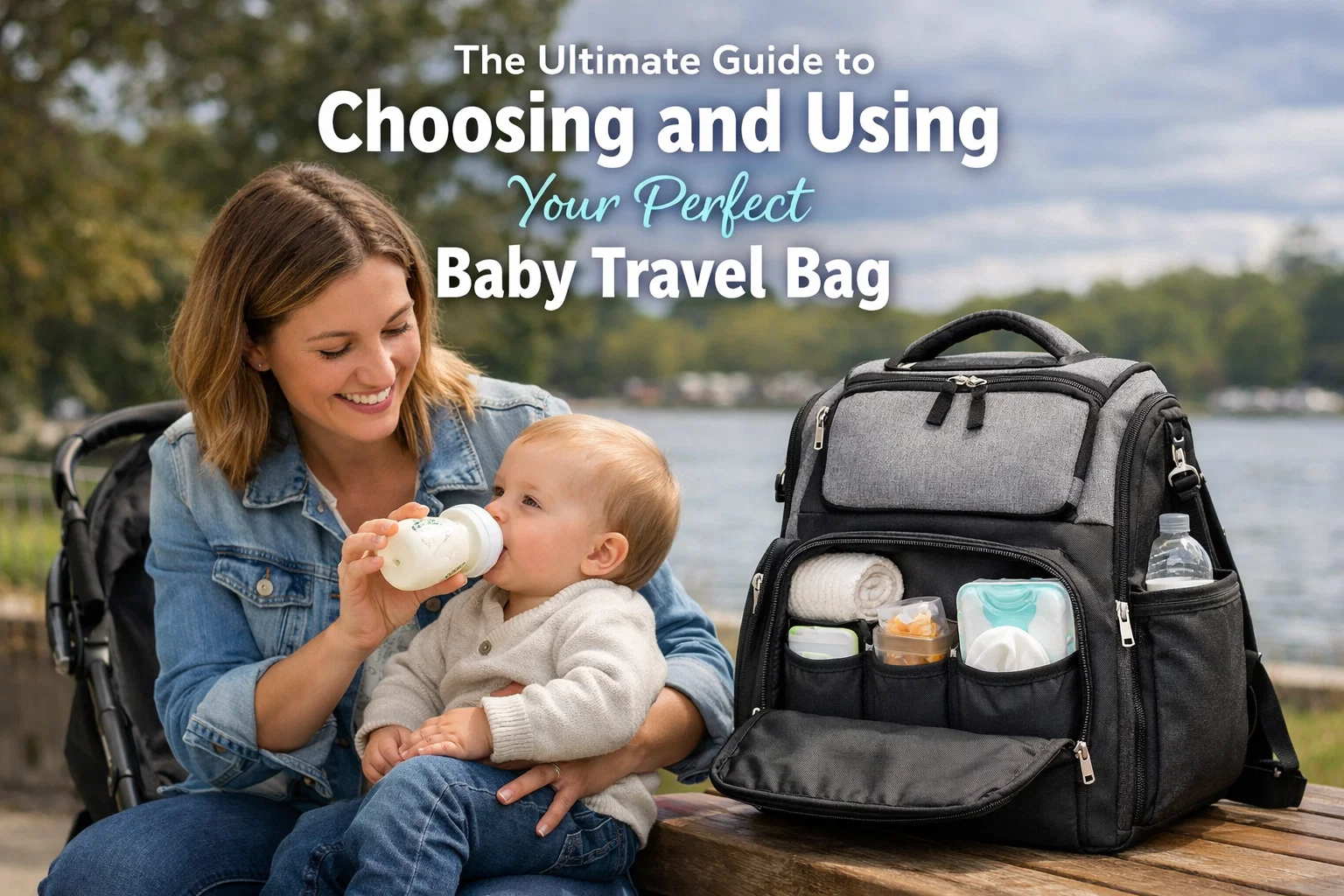
The Backpack has become the dominant style for a reason. It brilliantly solves the problem of uneven weight distribution by centering the load on both shoulders and freeing up your hands and arms—arguably a parent’s most valuable assets. For active parents, those using public transit, or anyone who will be carrying the bag for extended periods (like at a zoo or airport), the ergonomic benefits are unparalleled. Modern parenting backpacks are far from generic; they feature thoughtful details like stroller strap pass-throughs, easy-access side pockets for water bottles or wipes, and often a sleek, gender-neutral aesthetic. The potential limitation is that accessing items typically requires taking the bag off, which can be a minor hassle in tight spaces.
Conversely, the Tote or Messenger Bag offers supreme top-down accessibility. Everything is visible and within reach, often while the bag is still slung over your shoulder or hanging on a stroller handle. This style is fantastic for quick, in-and-out errands where you need to grab a diaper or snack without unpacking. Many are designed with plentiful interior organization pockets. However, the trade-off is physical strain. Carrying significant weight on one shoulder can lead to discomfort and pain over time, and it occupies a hand or risks slipping off a sloped stroller handle. It’s a style that prioritizes immediate access over long-haul comfort.
For the ultimate in minimalist travel, the Modular Clutch or Caddy System presents an innovative solution. This involves a small, ultra-organized pouch (often a wristlet or clutch) that holds absolute essentials: a few diapers, a travel wipes case, a small tube of cream, and a pacifier. This clutch can live inside your larger baby travel bag for big trips but can be grabbed on its own for a five-minute walk to the park or a quick dash into a coffee shop. It solves the “I don’t want to bring the whole bag” dilemma perfectly. Some systems are designed to clip directly into larger parent-backpacks or even standard purses, offering incredible flexibility.
Key Takeaway: Your lifestyle dictates the ideal style—choose a backpack for comfort and hands-free mobility, a tote for instant access during short trips, or a modular system for ultimate flexibility.
The Non-Negotiables: Essential Features for Functionality
Beyond style, specific functional features separate a good bag from a great one. These are the elements that, from hands-on use, prove their worth daily. Overlooking them can turn a beautiful bag into a daily frustration.
Durability and Cleanability are paramount. The materials must withstand being stuffed, thrown in car trunks, set on dirty floors, and wiped down repeatedly. Fabrics like polyester or nylon with a stain-resistant or waterproof coating are standard for good reason. A waterproof interior lining is a critical upgrade, containing leaks from bottles or soiled clothes. Zippers should be robust, ideally YKK or similar quality, as they are the most common point of failure. Seams should be double-stitched in high-stress areas.
Organization is Everything. A single large cavity is a recipe for chaos. Look for a bag with a logical layout of pockets. Key compartments include:
- An insulated bottle pocket: This keeps milk or water at temperature and is often tall enough for modern water bottles.
- A dedicated wipes compartment: This is a game-changer. A top-access, softly lined pocket that lets you pull wipes one-handed is a feature you will use hundreds of times.
- Exterior easy-access pockets: For your phone, keys, or sanitizer—items you need without opening the main compartment.
- A separate changing pad: Not an afterthought! A padded, wipeable pad that attaches or folds into its own pocket is essential for public changing tables.
Comfort and Carrying Options are vital for the wearer. Padded, adjustable straps are a must for backpacks and messengers. For totes, a wide, padded shoulder strap can make a significant difference. Stroller straps are non-negotiable. These are loops or straps that allow you to securely hang the bag from your stroller’s handlebar, saving your shoulders. However, a critical safety note: always ensure the bag is hung low and centered to avoid unbalancing the stroller. A useful, often-overlooked feature is a luggage strap on the back, allowing you to slide the bag over the handle of a rolling suitcase for seamless airport travel.
Key Takeaway: Prioritize durable, cleanable materials, intuitive pocket organization for one-handed access, and comfortable carrying features that integrate with your stroller and luggage.
Strategic Packing: Building Your Mobile Headquarters
A perfect bag is useless without a strategic packing system. This is where we solve the common user problem of frantic digging. The goal is to create muscle memory—you should be able to find any item, even in the dark, by its designated location.
Adopt a zone-based packing philosophy. Designate specific areas of your baby travel bag for specific categories. For example:
- The Front Pocket/Quick-Access Zone: Pacifiers, a small toy, your phone, lip balm, hand sanitizer.
- The Main Compartment/Core Supply Zone: Diapers, a full pack of wipes, a change of clothes (always pack one more outfit than you think you’ll need), a muslin blanket.
- The Side Pocket/Hydration & Nutrition Zone: Insulated bottle(s), baby food pouches or snacks, a silicone bib.
- The Back Pocket/Parent Zone: Your wallet, sunglasses, a small notebook—items for you that aren’t needed as frequently.
What is a changing clutch?
A changing clutch is a small, dedicated pouch within your baby travel bag that contains all items needed for a diaper change. Pre-packed with 2-3 diapers, a portable wipes case, diaper cream, and disposable bags, it allows you to grab a single, compact unit and head to the restroom without carrying the entire bag. This micro-organization saves time and streamlines what can be a chaotic process in a cramped space.
Packing cubes or small zippered pouches are invaluable for maintaining this system. Use a clear toiletry bag for diaper cream, medication, and a thermometer. Use a separate wet/dry bag for soiled clothes or used bibs, which contains messes and odors. The principle is containerization—small, organized units within the larger system prevent the “bottomless pit” effect and make restocking at home a breeze, as you simply refill the pouches.
Key Takeaway: Implement a consistent, zone-based packing system using small pouches to create order, ensure everything has a home, and enable lightning-fast retrieval of any item.
Tailoring Your Kit for the Adventure: From Pedestrian to Transatlantic
A common frustration is either overpacking for a short trip or underpacking for a long one. Your baby travel bag should be dynamic. Its core organization remains, but its contents scale based on destination, duration, and your child’s age.
The Neighborhood Walk (30-90 minutes): This is where a modular clutch shines. If using your full bag, a lean version is fine: 2-3 diapers, a small wipes case, a single bottle or snack, a pacifier, and a light blanket. A parent’s wallet and keys complete the kit. The goal is lightness and agility.
The Day Trip or Extended Outing (4-8 hours): This is the bag’s standard operating capacity. Employ your full zone system. Key additions include: a full change of clothes (consider a top/bottom mishap), more substantial snacks/meals, a larger muslin blanket that can serve as a sun cover, nursing cover, or play mat, a small first-aid kit (band-aids, antiseptic wipes), and perhaps a compact, favorite toy or book. Always include a plastic bag for trash or wet items.
Air Travel and Long-Distance Journeys: Here, your bag transforms into a survival kit for unpredictable delays and confined spaces. In addition to your day-trip load, strategic additions are critical.
- For Pressure Changes: Pacifiers, bottles, or sippy cups to encourage swallowing during takeoff and landing.
- For Sanity: 2-3 new small toys or books wrapped in tissue paper for surprising reveals during fussy moments. A tablet loaded with shows, with kid-safe headphones, is a modern essential for many.
- Critical Documents: Keep passports, tickets, and IDs in a specific, secure pocket you can access quickly.
- Parent Supplies: Pack more snacks and water for yourself than you think you’ll need. A spare shirt for you in a sealed bag is a wise precaution against spills or messes.
Key Takeaway: Scale your pack logically: minimalist for quick trips, comprehensive for day adventures, and strategically over-prepared with entertainment and comfort items for long-distance travel.
The Gear Matrix: Selecting Supporting Products Wisely
Your baby travel bag is the command module, but it interfaces with a suite of supporting gear. Making smart choices here amplifies the bag’s effectiveness. Here is a comparative analysis of common add-ons.
| Product Category | Primary Function | Key Considerations & Trade-Offs | Best For… |
|---|---|---|---|
| Insulated Bottle Bag | Maintains temperature of pre-made formula/breast milk. | Standalone vs. integrated. Standalone offers more capacity/flexibility but is one more item to carry. Integrated is convenient but may lack capacity for multiple bottles. | Parents who need to transport precise-temperature milk for long periods. |
| Portable Wipeable Changing Pad | Provides a clean surface for diaper changes anywhere. | Thickness (comfort vs. packability), attached vs. separate. Pads that fold into their own pouch are cleaner and more compact. | All parents. A high-quality, thick pad is worth its weight in gold on hard public changing tables. |
| Dispensing Pacifier Pouch | Stores pacifiers cleanly and allows for one-handed retrieval. | Material (silicone is easy to clean), clip attachment, size. Prevents pacifiers from getting lost in the bag abyss. | Parents of babies who use pacifiers frequently. A simple but transformative organizer. |
| Travel Diaper Cream Dispenser | Portables cream without bringing the full bulky tub. | Push-button vs. screw-top. Push-button styles (like travel toothpaste) are less messy. Ensure it’s leak-proof. | Every changing clutch. Eliminates the risk of a major ointment spill coating the entire bag interior. |
| Compact Wet/Dry Bag | Contains wet swimsuits, soiled clothes, or used bibs. | Size (S/M/L), zipper quality, material weight. A must for separating messes from clean items. | Swim lessons, messy meals, or any outing where clothing changes are likely. |
Key Takeaway: Your supporting gear should solve specific problems like temperature control, mess containment, and tiny-item organization, integrating seamlessly with your main bag’s system.
Navigating Common Pain Points and Practical Solutions
Even with the best gear, real-world hiccups occur. Addressing these proactively is the mark of an experienced parent. Let’s solve three frequent, tangible problems.
Problem 1: The “I Can’t Find the Pacifier!” Panic. This happens mid-cry, in a crowded space, with one hand holding the baby. Solution: Dedicate one specific, easy-access pocket exclusively for pacifiers. Use a dedicated pouch or clip. Never put anything else in that pocket. This creates muscle memory—your hand goes directly there without thought. As one seasoned parenting blogger notes, “Your baby travel bag isn’t organized if you have to look for anything. True organization is tactile and instantaneous, especially when you’re flustered.”
Problem 2: The Leaky Bottle or Food Pouch Catastrophe. A spill can ruin everything in the main compartment. Solution: Containerize all liquids and semi-liquids. Always place bottles upright in their insulated pocket. For baby food pouches or snack containers, use a dedicated small lunch bag or a separate zippered compartment within the main bag. Line this area with a reusable placemat or a small towel for added protection. The goal is to create a contained “wet zone.”
Problem 3: The Bag is Too Heavy and Unwieldy. This leads to shoulder pain and a reluctance to go out. Solution: Conduct a weekly bag audit. As your child grows, needs change. That newborn-sized diaper cream tube can be swapped for a smaller one. Do you still need 8 diapers for a 2-hour trip? Probably not. Remove items that are no longer stage-appropriate. Secondly, ensure you’re utilizing your bag’s ergonomic features correctly—adjust all straps for a snug, high carry on your back (for a backpack) and use stroller straps whenever possible to offload the weight.
Key Takeaway: Anticipate common frustrations like lost items, leaks, and weight, and solve them with dedicated storage, strategic containerization, and regular content audits.
The Evolution of Needs: Adapting Your System Through the Stages
A newborn’s needs differ vastly from a toddler’s. A savvy parent adapts their baby travel bag system accordingly, extending its useful life and avoiding the need for multiple bags. This is a long-term, strategic view.
Newborn Phase (0-6 months): The focus is on volume and precision. You’ll carry more diapers, multiple burp cloths, changes of clothes (for spit-up), and possibly expressed breast milk or formula with exact temperature needs. Organization is about containing many small items. A bag with abundant interior pockets and a high-quality insulated compartment is key.
Infant & Crawler Phase (6-18 months): The volume of diapers may decrease slightly, but solid food and snacks enter the picture. Your pack must now accommodate bibs, pouches, sippy cups, and finger foods. A wet bag becomes essential for messy mealtime aftermath. This is also the peak phase for teething toys and small comfort items.
Toddler Phase (18 months+): Diapers may still be present, but the focus shifts dramatically to entertainment, negotiation, and independence. The bag becomes lighter in some ways (perhaps fewer clothing changes) but heavier in others (larger snacks, a water bottle). You’ll pack small toys, stickers, and activities. You might include a toddler utensil set and a collapsible bowl. A spare pair of socks for playground puddles is wise. The bag now serves as a portable activity center to manage energy and moods.
Key Takeaway: Your bag’s contents should evolve with your child: from volume-heavy newborn care, to food and mess management for infants, to entertainment and snack-focused support for toddlers.
Beyond the Basics: Pro-Tips from the Parenting Trenches
True mastery comes from the nuanced, hard-won insights that aren’t on any product feature list. These pro-tips stem from countless real-world outings and problem-solving moments.
The “Go-Bag” Refueling Ritual: The single most important habit is to unpack and refuel your bag the moment you return home. Replace used diapers, wipes, and clothes. Wash bottles and snack containers. This ensures it’s always ready for the next outing, even an unexpected one. A perpetually packed bag is a cornerstone of low-stress parenting.
Weatherproofing Your Kit: Keep a cheap disposable rain poncho (the kind that folds into a tiny packet) in a bottom pocket. It can cover you, your bag, or even your stroller in a sudden downpour. In winter, add a pair of infant mittens and a spare toddler hat. In summer, a travel-sized sunscreen and a portable fan can be lifesavers.
The “Dad Bag” or “Secondary Caregiver” Dynamic: Often, one bag becomes the primary, expertly packed by the main caregiver. To empower partners or grandparents, create a simple checklist inside the lid of a secondary bag or take photos of the perfectly packed zones. This ensures consistency and prevents the “I didn’t know where it was” issue. Many modern bags have a neutral aesthetic specifically to encourage shared use.
Key Takeaway: Cultivate habits like immediate restocking, pack for micro-climates and weather shifts, and create systems to empower all caregivers to use the bag effectively.
Building Your Travel System: Integration with Strollers, Carriers, and Cars
Your baby travel bag does not exist in a vacuum. Its performance is tied to how it integrates with the rest of your mobility ecosystem.
Stroller Integration: As mentioned, stroller straps are essential. However, be mindful of weight distribution. Hanging a heavy bag on the handlebar can cause a stroller—especially a lightweight umbrella model—to tip backwards. Always place the bag low on the stroller frame, if possible, or in the under-seat basket. Some premium travel systems offer clip-in systems where the bag attaches securely to the stroller frame, which is ideal.
Baby Carrier Compatibility: If you’re a babywearing parent, accessing a backpack becomes challenging while wearing a front carrier. A cross-body messenger bag or a fanny pack-style baby travel bag can be a better solution, allowing access to your sides or back. Alternatively, choose a backpack that has a front-access zipper running down one strap, so you can swing it around to your front while still wearing the baby.
Car Organization: Designate a “go-bag” spot in your vehicle, such as the passenger footwell or behind the front seat. This prevents the bag from becoming a projectile in a sudden stop and makes it easy to grab. Consider keeping a separate, smaller emergency kit in the car’s trunk with backup supplies (more diapers, wipes, a blanket, non-perishable snacks) to resupply your main bag if needed.
Key Takeaway: View your baby travel bag as a component of a larger travel system, ensuring it interfaces safely and conveniently with your stroller, carrier, and vehicle.
The Final Packing Checklist: Your Pre-Departure Authority
Before you conclude your reading, use this actionable checklist to audit your current system or build a new one from scratch. This serves as a quick-reference summary of the core concepts covered.
Bag Selection & Features:
- [ ] Style chosen (Backpack/Tote/Messenger/Modular) aligns with primary lifestyle.
- [ ] Materials are durable, waterproof/wipeable, and easy to clean.
- [ ] Zippers are robust and glide smoothly.
- [ ] Straps are padded and adjustable (for comfort).
- [ ] Bag includes stroller attachment straps (for integration).
- [ ] A separate, wipeable changing pad is included or fits well.
- [ ] Interior has a logical pocket layout (insulated pocket, wipes pocket, easy-access exterior pockets).
Core Packing System:
- [ ] A “zone-based” packing method is in use (Quick-Access, Core Supply, etc.).
- [ ] A dedicated changing clutch or pouch is pre-packed.
- [ ] Small pouches/cubes are used to containerize categories (cream, medicine, toys).
- [ ] At least one wet/dry bag is packed for soiled items.
- [ ] A plastic bag for trash is included.
Essential Contents (Scale as Needed):
- [ ] Diapers (quantity appropriate for trip length + 2 extra).
- [ ] Travel wipes case, full.
- [ ] Diaper cream in travel dispenser.
- [ ] One complete change of clothes (two for infants/newborns).
- [ ] Muslin or receiving blanket.
- [ ] Burp cloths/cloth diapers (for spills).
- [ ] Bottles/Sippy Cups with water or milk.
- [ ] Age-appropriate snacks/food.
- [ ] Pacifiers (if used) in dedicated pouch.
- [ ] Small toy/book.
- [ ] Parent essentials: wallet, keys, phone, sanitizer.
- [ ] Weather/Scenario specific items: sun hat, mittens, rain cover, etc.
Habits & Maintenance:
- [ ] A “refuel immediately upon returning home” habit is established.
- [ ] A weekly bag audit is conducted to remove outgrown/unnecessary items.
- [ ] All caregivers know the organization system and location of key items.
Conclusion
Mastering the art of the baby travel bag is, in many ways, mastering a foundational skill of confident, mobile parenthood. It moves far beyond a simple purchase to encompass a strategic approach to organization, a deep understanding of your family’s evolving rhythms, and a commitment to preparing for the beautiful unpredictability of life with a child. By selecting a bag that fits your body and lifestyle, implementing a consistent and logical packing system, and adapting your kit to the journey at hand, you transform an accessory into an asset. This guide has provided the framework—from the technical features to the practical philosophies—to empower you to build your own perfect system. The goal is not to carry everything you might need, but to carry everything you will need, in a way that lets you focus on what truly matters: the joy of the adventure, hand-in-hand with your little one.
Frequently Asked Questions (FAQs)
What is the most important feature to look for in a baby travel bag?
While personal preference varies, organization and accessibility are paramount. A bag with a poorly designed interior will frustrate you daily. Prioritize a layout that allows you to find critical items like wipes, a pacifier, or a clean onesie instantly, without digging, ideally with one hand while holding your child.
How many diapers should I pack in my baby travel bag?
A good rule of thumb is to pack one diaper for every two hours you plan to be out, plus two extras. For a 4-hour outing, pack 4+2 = 6 diapers. This accounts for unexpected delays or more frequent changes. Always adjust based on your child’s specific patterns and the availability of supplies at your destination.
Can a baby travel bag be used as a personal item on a flight?
In almost all cases, yes. Airlines are generally accommodating of diaper bags in addition to your standard carry-on allowance. It’s wise to check your specific airline’s policy, but a well-organized, reasonably sized baby travel bag is typically considered a necessary infant-care item and not counted against your personal item limit.
What’s the best way to clean a baby travel bag after a spill or mess?
First, spot-clean any solid debris. For fabric bags, check the care label; many are machine washable on a gentle cycle (remove any non-fabric parts like a changing pad first). For coated or leather-style bags, use a mild soap, warm water, and a soft cloth. Always air-dry completely—never use a heat dryer—to preserve fabrics and waterproof coatings.
When should I consider getting a new baby travel bag?
Consider an upgrade if your current bag consistently fails in key areas: straps are uncomfortable or breaking, zippers are failing, the material is stained beyond cleaning, or—most commonly—the organizational layout no longer suits your child’s current stage (e.g., it lacks room for toddler snacks and toys but has too many bottle holders). A quality bag should last through multiple children if it’s well-designed and cared for.