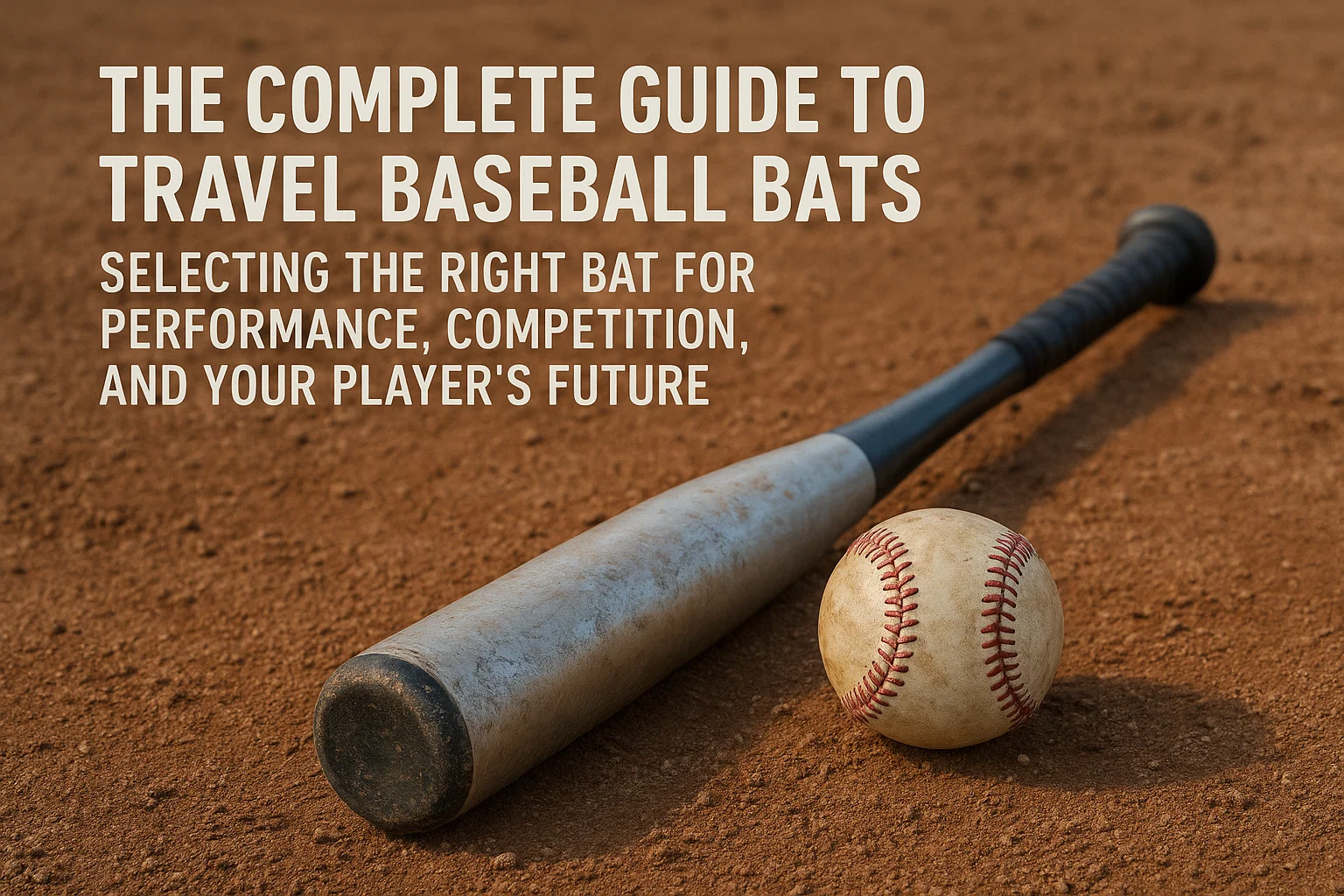
The Complete Guide to Travel Baseball Bats: Performance, Selection, and Strategy
In the competitive world of youth baseball, the right equipment is a tangible edge. For the ambitious player and the dedicated parent, selecting a bat for travel baseball is one of the most critical—and often confusing—decisions in the sport. This guide cuts through the noise. We’ll explore the engineering, the league politics, the financial considerations, and the performance nuances that define elite youth baseball. This is not just about buying a bat; it’s about understanding a key tool in a player’s development journey.
Travel baseball represents a significant step up from recreational leagues. The competition is fiercer, the pitching is faster, and the expectations are higher. The bat in a player’s hands becomes an extension of their skill, a piece of technology that can amplify their talent when chosen correctly. This guide will serve as your authoritative resource, offering expert-level insights to inform your choice and strategy surrounding travel baseball bats. From decoding sanctioning body stamps to understanding the real-world difference between composite and alloy, we cover every angle to ensure you make a decision with confidence.
The Evolution of the Modern Travel Baseball Bat
The journey from the classic Louisville Slugger of yesteryear to today’s ultra-engineered, multi-material marvels is a story of physics, material science, and rule-making. Early wood bats gave way to aluminum alloys in the 1970s, a revolution that increased durability and introduced the concept of a “ping.” This sound became synonymous with youth and amateur baseball for decades. The introduction of composite materials—layers of carbon fiber and resin—in the late 1990s and early 2000s marked the second great leap, allowing for unprecedented bat design and performance tuning.
Today’s travel baseball bats are feats of aerospace-grade engineering. Manufacturers manipulate variables like barrel profile, swing weight (MOI), and connection systems to create distinct “feel” and performance characteristics. The ongoing arms race between bat technology and league regulations has led to a complex certification system. Understanding this evolution is crucial; it explains why a bat from five years ago performs differently than a current model and underscores the importance of buying certified, up-to-date equipment for sanctioned play.
Key Takeaway: The modern bat is a highly engineered product, and its evolution is directly tied to material science advancements and the constant push-pull between performance and regulatory standards.
Decoding Bat Certifications and Sanctioning Bodies
No aspect of selecting a travel baseball bat is more critical—or more commonly misunderstood—than navigating the alphabet soup of certifications. The primary governing bodies are USA Baseball, USSSA, BBCOR, and NFHS. Each has its own performance standard, denoted by a specific stamp on the barrel. Using a bat without the correct stamp for your league can result in immediate ejection and forfeit. USA Baseball (USABat) is now the mandatory standard for Little League and most other youth leagues for ages 12 and under, designed to have a wood-like performance profile.
For the travel ball circuit, especially at the older ages, USSSA (with its “1.15 BPF” stamp) and BBCOR (.50 BBCOR stamp) are dominant. USSSA bats, often called “travel bats,” are typically associated with hotter performance and are common in many elite travel tournaments for younger age groups. BBCOR is the mandatory standard for all high school and collegiate play, making it the eventual destination for any serious player. Knowing which organization sanctions your primary tournaments is the absolute first step in the bat selection process.
Key Takeaway: The certification stamp is non-negotiable. Always confirm your league’s requirements before purchasing, as the wrong stamp renders a high-end bat useless for competition.
The Material Science: Alloy, Composite, and Hybrid Bats
The core construction material fundamentally defines a bat’s personality. Single-piece alloy bats, typically made from aerospace-grade aluminum, are known for their immediate responsiveness and consistent performance regardless of weather. They offer a stiffer feel and a more distinct “ping” at contact. They are also generally more durable against the elements and require no break-in period. These are often favored by players who prefer direct feedback and a traditional feel.
Composite bats, built from layered carbon fibers, offer a different set of advantages. They allow designers to precisely engineer the bat’s weight distribution, often creating a more balanced swing with a larger “sweet spot.” Composites typically require a break-in period (around 150-200 hits) to reach their peak performance, and their performance can be slightly sensitive to cold temperatures. Hybrid bats attempt to marry the best of both: a composite handle for flex and vibration reduction with an alloy barrel for immediate response and durability. The choice here is deeply personal and connected to a player’s preference for feel.
Key Takeaway: Material choice dictates feel and performance characteristics. Alloy offers immediate response, composite offers a tuned sweet spot after break-in, and hybrids seek a middle ground.
Understanding Key Performance Metrics
Beyond the stamp and material, several technical metrics determine how a bat will perform in a player’s hands. Length-to-weight ratio, expressed as a “drop” (e.g., -10, -8, -5), is paramount. A -10 bat is 10 ounces lighter than its length in inches, common for younger players. BBCOR bats are a standard -3. The lower the drop, the heavier the bat, promoting better mechanics and power development. Barrel diameter, governed by sanctions, also affects the size of the hitting surface.
Perhaps the most nuanced metric is swing weight or moment of inertia (MOI). This describes how the weight is distributed along the bat. An “end-loaded” bat has more mass concentrated in the barrel, favoring stronger players seeking maximum power. A “balanced” bat distributes weight more evenly, promoting faster swing speeds and better control. There is no universally “better” option; it is a strategic fit for a player’s strength, swing mechanics, and hitting philosophy.
Key Takeaway: Metrics like drop weight and swing weight are not just numbers; they are direct inputs into a player’s swing physics and must match their physical development and hitting style.
The Fitting Process: Matching the Bat to the Player
Selecting the right travel baseball bat is a holistic fitting process, not a guess. It begins with honest physical assessment. A player’s height, weight, and strength are the foundational data points. A common fitting method involves having the player hold the bat by the handle, extending their arm parallel to the ground. If they can comfortably hold it for 30-45 seconds, the weight is likely manageable. Length is also key; placing the knob at the center of the chest, the barrel should reach the fingertips of an outstretched arm.
However, static fitting is just the start. The gold standard is dynamic testing. This means taking live, game-speed swings, preferably against actual pitching or a high-quality pitching machine. The right bat will allow for a quick, controlled, and powerful swing path without sacrificing bat speed or balance. Listen to the player’s feedback on “feel.” Does the bat feel whippy or sluggish? Does contact feel solid or vibrating? This subjective feedback is as valuable as any measurement chart.
Key Takeaway: A proper bat fitting combines objective physical measurements with the subjective, crucial feedback of how the bat feels during a live, game-speed swing.
The Price of Performance: Investment and Value Considerations
Let’s address the undeniable reality: high-performance travel baseball bats are a significant investment, often ranging from $200 to over $500. This price reflects the advanced materials, research, and manufacturing precision involved. It’s easy to view this as a单纯 cost, but a more strategic perspective is to see it as an investment in a player’s development, confidence, and safety. A properly fitted, high-quality bat can improve contact quality and reduce the risk of sting and injury from mishits.
Value, however, isn’t just about the price tag. Consider the bat’s expected lifespan relative to the player’s growth. Spending top dollar on a -10 bat for a player who will outgrow it in one season requires different calculus than buying a -5 BBCOR bat for a high school junior. Look for warranty coverage, which is standard on new bats from reputable manufacturers. Furthermore, the secondary market for used, high-end bats is robust and can be an excellent way to access premium technology at a lower cost, provided you carefully inspect for cracks or webbing.
Key Takeaway: View a bat purchase as a calculated investment in performance and development, and factor in growth, warranty, and the potential of the certified pre-owned market to maximize value.
Maintenance and Care for Maximum Longevity
A high-end bat is a precision instrument, not a tool for abuse. Proper care is essential to protect your investment and ensure consistent performance. For composite bats, the break-in period is a form of active maintenance. Hit with them using real baseballs at moderate speeds (avoid tee work with rubber or dimpled balls initially) to gradually compress the fibers. For all bats, temperature is a critical factor. Never use composite bats in temperatures below 60°F (15°C), as the material can become brittle and prone to cracking.
Store all bats in a moderate climate—never in a freezing garage or scorching car trunk. Rotate the bat ¼ turn with each swing during practice to ensure even wear on the barrel. Only use the bat to hit regulation leather-covered baseballs; hitting dimpled machine balls, rubber balls, or using the bat for anything other than hitting pitches will dramatically shorten its life. A simple, regular visual inspection for cracks, dents, or flaking paint can catch a problem before a catastrophic failure.
Key Takeaway: Proactive, mindful care—from proper break-in to climate-conscious storage—is the single greatest factor in extending the performance life and safety of your bat.
The Mental Game: Confidence at the Plate
The intangible benefit of a great bat is immense confidence. When a player steps into the box with a piece of equipment they trust, one that feels like an extension of their body, it eliminates a variable. They can focus entirely on the pitcher, their timing, and their mechanics. This psychological component is frequently overlooked in the technical discussion of travel baseball bats. The right bat feels good in the hands; it has a sound and a feedback that the player associates with success.
This is why the fitting process and player involvement are so vital. A bat chosen solely on a parent’s or coach’s spec sheet, without the player’s buy-in on feel, can become a mental hurdle. Conversely, a bat that a player loves can become a source of swagger. It’s the reason players develop attachments to specific models or paint jobs—it’s not superstition, but a cultivated sense of readiness and self-belief that is critical for success at the plate.
Key Takeaway: Beyond physics, the optimal bat serves as a confidence-building tool, allowing the player to focus purely on the task of hitting by eliminating doubt about their equipment.
Navigating League Rules and the “Hot Bat” Mythos
A persistent myth in travel baseball is the search for the secretly “hot” bat—a model that somehow outperforms its certification. The reality is that all bats within a certification standard (USA, USSSA, BBCOR) must pass the same lab tests. While there are measurable differences in “feel,” sweet spot size, and performance across models, no legal bat is magically “hotter” than another certified to the same standard. Believing this myth can lead to wasteful spending and misplaced focus.
The real strategic rule navigation involves understanding bat regulations at specific tournaments. Some events may have “bat ring” checks for BBCOR, or may prohibit certain USSSA models with older stamps. The responsibility falls on the player and team to verify. As John Williams, a veteran NCAA and travel tournament director, notes, “The most advanced bat technology is meaningless if it’s non-compliant. Always, always check the tournament packet and have a backup plan. The best bat is the one you’re actually allowed to swing.”
*Key Takeaway: Focus on finding the bat with the best legal performance *for your player, and meticulously verify tournament-specific rules to avoid game-day disqualifications.
The Future of Bat Technology and Regulations
The landscape of bat technology is never static. We are seeing trends like the increased use of data from swing sensors to inform design, targeting specific vibration frequencies for better feel. Materials science continues to advance, with new resin systems and fiber weaves promising even greater strength and tuned flex profiles. The regulatory bodies are also in constant motion, assessing the balance between offense, defense, and player safety, which could lead to new standards in the coming years.
For the consumer, this means today’s top-tier travel baseball bats represent a snapshot of current tech. It’s wise to consider where a player is in their development cycle before chasing the absolute latest release. Sometimes, a previous year’s model—nearly identical in performance but at a discounted price—is the smarter play. The key is to stay informed on major sanction changes (like the USA Baseball shift) that truly necessitate a new purchase, while viewing incremental year-to-year model updates with a critical eye.
Key Takeaway: Bat tech evolves, but major regulatory shifts are more impactful than annual model updates. Make purchasing decisions based on development needs and rule changes, not just marketing hype.
Comparative Analysis: A Snapshot of Bat Profiles
This table provides a high-level comparison of the primary bat types a travel ball family will encounter. It is a starting point for understanding their core differences.
| Bat Type | Primary Material | Key Certification(s) | Typical Drop Weights | Performance Profile | Ideal For |
|---|---|---|---|---|---|
| Youth USA (USABat) | Alloy, Composite, Hybrid | USA Baseball Stamp | -10 to -8 | Wood-like, controlled trampoline effect | Leagues mandating USA Bat (Little League, etc.) |
| USSSA “Travel” | Alloy, Composite, Hybrid | USSSA 1.15 BPF Stamp | -10 to -5 | Higher performance, larger sweet spot | Many elite travel tournaments (non-high school) |
| BBCOR | Alloy, Composite, Hybrid | BBCOR .50 Stamp | -3 only | Standardized college/high school performance | High School JV/Varsity, College, & older travel |
| Wood | Ash, Maple, Birch | N/A (Always legal) | Varies | Traditional, unforgiving sweet spot | Tournaments, training, professional development |
Key Takeaway: Each bat type serves a distinct competitive purpose defined by its certification; choosing correctly is the first and most important step in the selection process.
A Strategic Checklist Before You Buy
Before finalizing a purchase on a travel baseball bat, run through this actionable checklist to ensure a sound decision:
- Confirm Sanction: Verify the required certification stamp (USA, USSSA, BBCOR) for your primary league/tournaments.
- Assess Physical Fit: Use static and dynamic fitting methods to narrow down appropriate length and weight.
- Determine Preference: Decide on a material profile (Alloy, Composite, Hybrid) and swing weight (Balanced vs. End-Loaded) based on player feedback.
- Set a Budget: Define your investment range and explore both new and certified pre-owned markets within it.
- Research Models: Read expert and user reviews on specific models that fit the above criteria, noting comments on durability and feel.
- Plan for Care: Understand the break-in (for composite) and storage requirements to protect your investment.
- Secure the Warranty: Ensure you purchase from an authorized retailer and understand the manufacturer’s warranty process.
Conclusion
Choosing a bat for travel baseball is a multifaceted decision that sits at the intersection of science, sport, and savvy. It requires balancing hard data like certifications and drop weights with the soft, human elements of feel and confidence. The journey through understanding materials, navigating regulations, and fitting the tool to the athlete is, in itself, a lesson in the commitment required for the sport. There is no single “best” bat, only the best bat for a specific player at a specific point in their development, within the framework of their competitive environment.
By approaching the process with the knowledge and strategic perspective outlined in this guide, you move beyond a simple purchase. You make an informed equipment decision that supports the player’s performance, protects their development, and respects the integrity of the game. The crack of the bat on a well-hit ball is one of baseball’s great sounds. Ensuring that sound comes from a bat that is right, legal, and trusted is a fundamental part of the travel ball experience.
Frequently Asked Questions (FAQs)
What is the difference between a USSSA bat and a USA Baseball bat?
USSSA bats and USA Baseball bats are built to different performance standards. USSSA bats (with the 1.15 BPF stamp) are generally associated with a higher performance profile and are common in the travel baseball circuit for younger age groups. USA Baseball bats (with the USABat stamp) are designed to mimic the performance of wood and are mandatory for leagues like Little League. You must use the bat specified by your tournament or league; they are not interchangeable.
How long should a composite travel baseball bat last?
With proper care and normal use, a high-quality composite travel baseball bat should last for at least two to three seasons of competitive play. Its lifespan is heavily influenced by factors like the number of hits, the temperature during use, the type of balls hit, and adherence to the break-in process. Regular inspection for cracks or webbing is essential to monitor its integrity.
Can you use a BBCOR bat in USSSA travel tournaments?
Typically, no. Most USSSA tournaments require bats with the specific USSSA 1.15 BPF stamp. While a BBCOR bat is often safer and has a lower performance standard, it is usually not legal for USSSA-specific play unless explicitly stated in the tournament rules. Always check the specific tournament bat policy, as some may allow multiple certifications.
What does “end-loaded” mean for a travel baseball bat?
An “end-loaded” bat has more of its weight distributed toward the barrel end of the bat. This design increases the moment of inertia (MOI), which can generate more power through the hitting zone but may slightly reduce swing speed. It is often preferred by stronger, more physically mature players who can maintain bat speed with the extra weight in the barrel.
Is it worth buying the newest model of a travel baseball bat every year?
For most players, no. The year-to-year technological advancements in travel baseball bats are often incremental. A bat from one or two model years prior will usually offer 95% of the performance at a significantly reduced price. The exception is when there is a major material innovation or, more importantly, a change in certification standards that renders your current bat obsolete for your league.